A two-day sale is the worst possible time to decide what fits in a small apartment. The countdown timers are designed to make you buy first and measure later, and in a studio or a one-bedroom the wrong-sized bin is not a small mistake. It is a return, a box in the hallway and a gap that is still empty.
Prime Big Deal Days runs on 6 and 7 October, with new deals added through both days. The prices are for Prime members; if you are not one, a free Prime trial (for eligible new members) covers the event. The ten steps below are about doing the thinking now, while nothing is on a timer, so that on the day you only buy what you already know fits.
1. Measure everything before 6 October
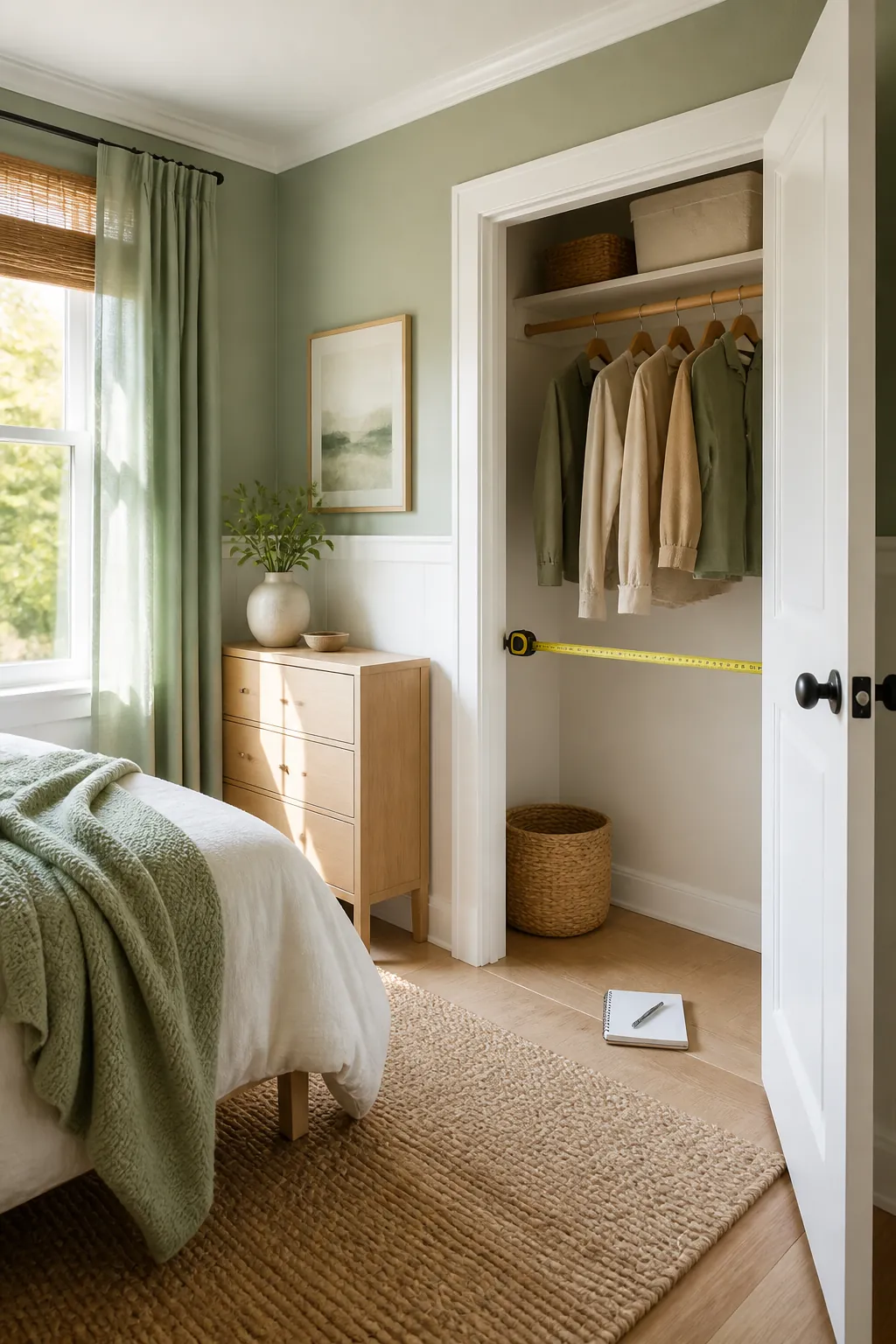
Five numbers decide almost every storage purchase in a small apartment, and all of them take a minute each with a tape measure:
- Closet depth, from the back wall to the inside of the door. Anything deeper than that stops the door closing.
- Rod width and the drop below it, the empty height under your shortest hanging clothes.
- Under-bed clearance, measured at the lowest point of the frame, not the middle.
- The inside of each drawer you want to divide, width and depth at the bottom, since many drawers taper.
- Door thickness, if you plan to hang anything over a door. Most over-the-door hooks are sized for a standard interior door of about 1 3/8 inches.
Write them in your phone’s notes app under the heading “sale”. A deal on the wrong size is not a deal.
2. Write down what you would pay today
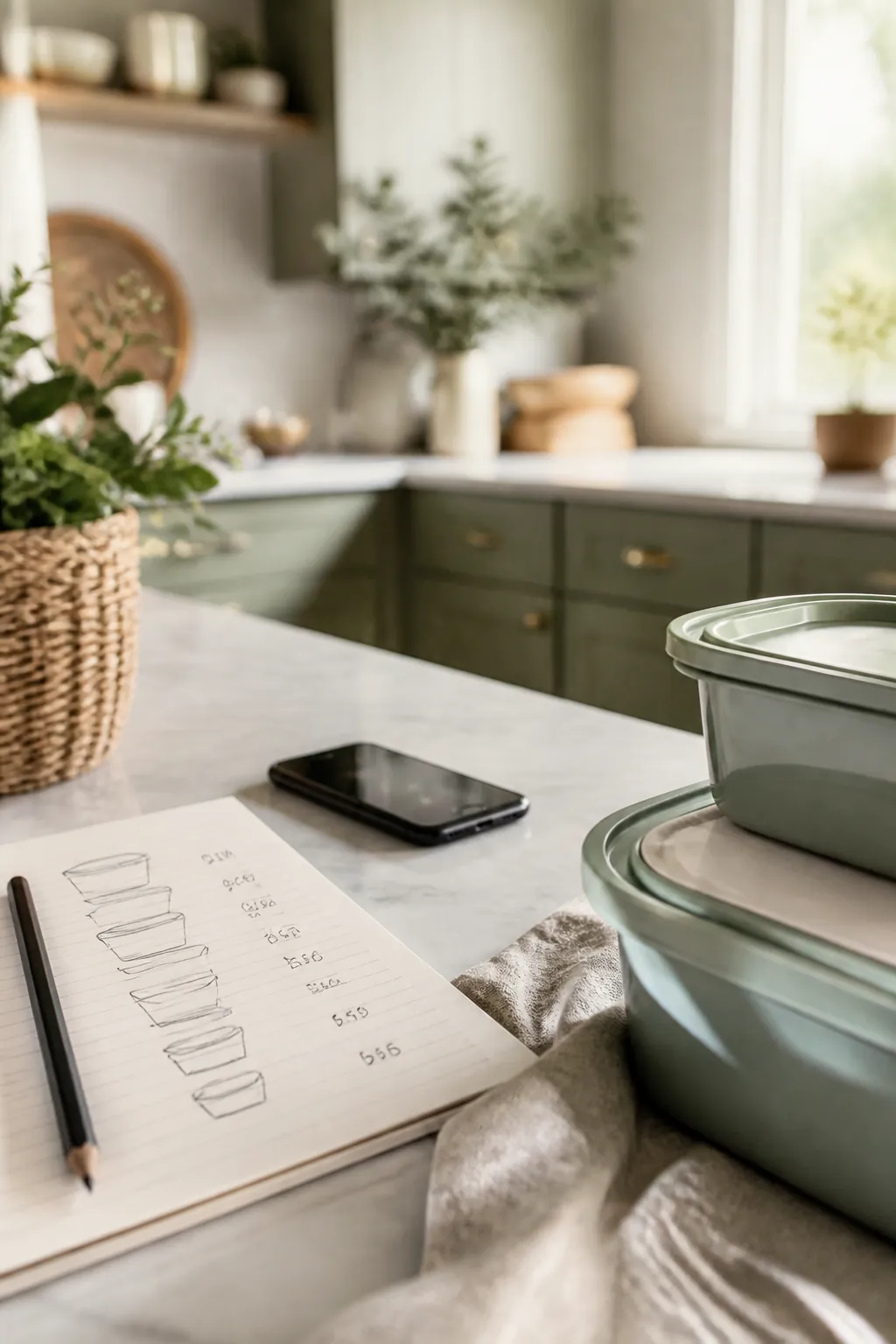
Look up each item you are considering now, and write down the price you would happily pay for it this week. That is your line.
During the event, a big percentage badge means nothing on its own, because it compares against a price the item may rarely have sold at. The only test that matters is whether the event price is below your number. If it is not, skip it without guilt. This one habit is what keeps a sale from turning into a pile of storage that needs its own storage.
3. Clear stackable bins, bought as a set
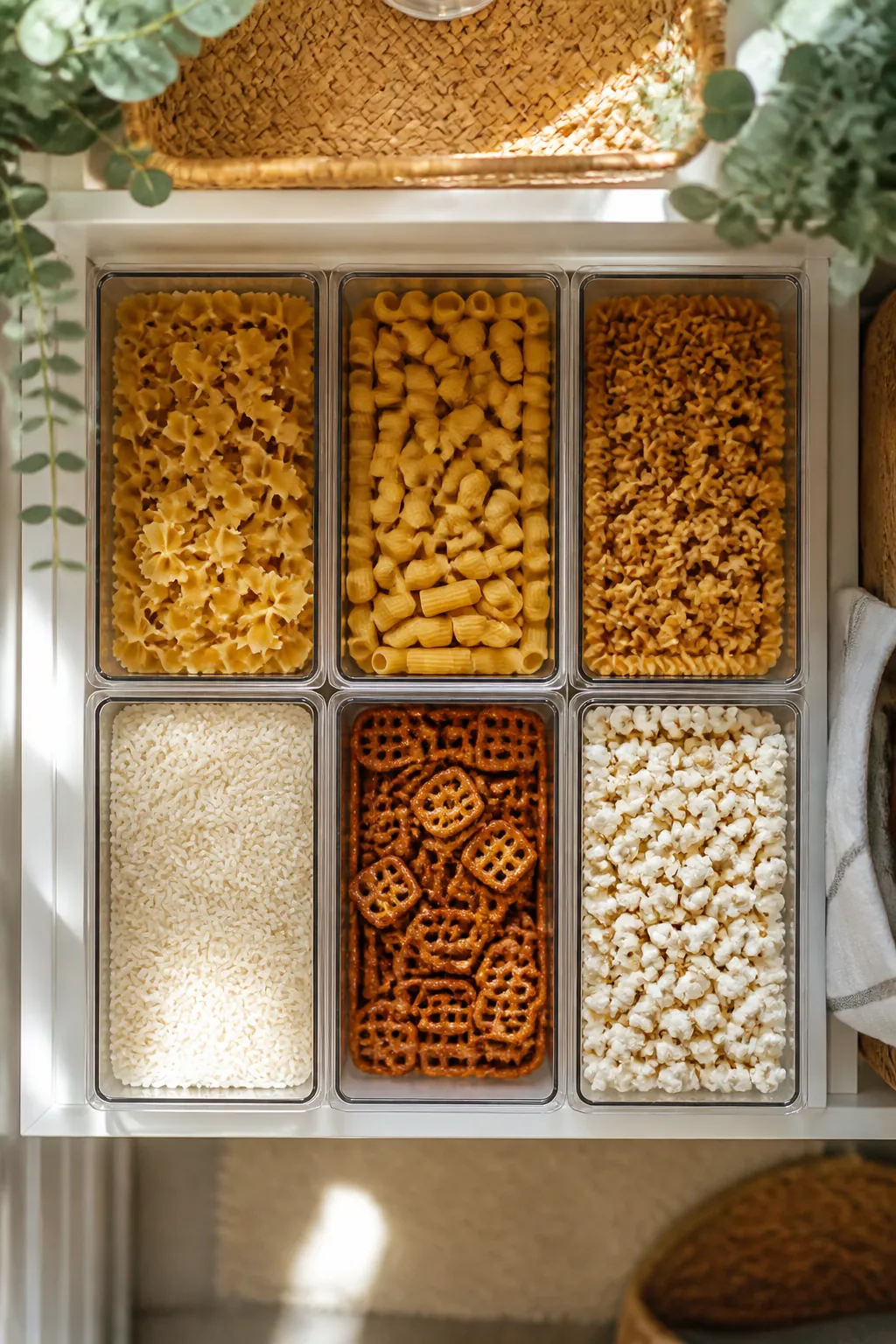
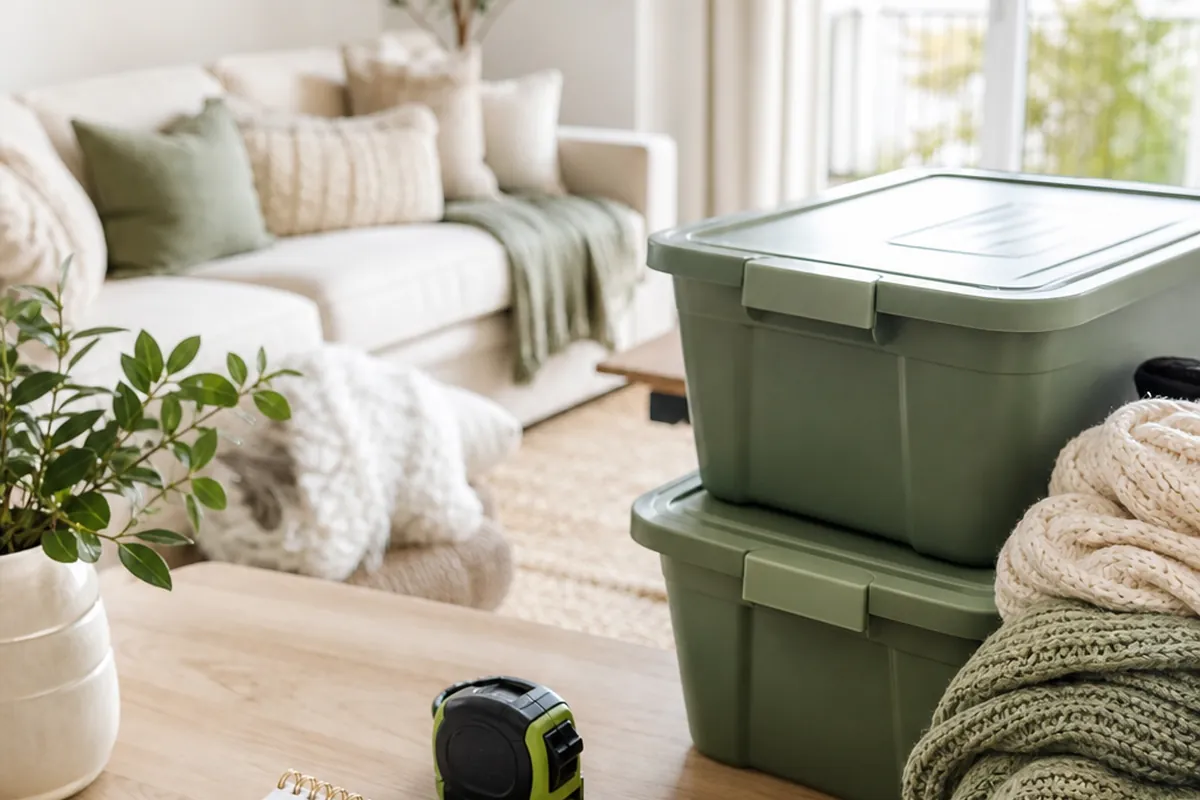
Bins are the clearest case for waiting, because nobody needs one. A pantry, a closet shelf and the space under a sink each want three to six of the same size, and matching sizes are what let them stack and line up without wasted gaps.
Work out the per-bin price rather than the pack price, and buy one size in bulk rather than a mixed bundle you will only half use. A set of clear stackable storage bins covers the pantry, the fridge door overflow and the top of a closet with the same bin, which matters when you later move things between rooms. Clear beats opaque because you stop opening bins to find out what is in them.
4. Slim hangers, in one big pack
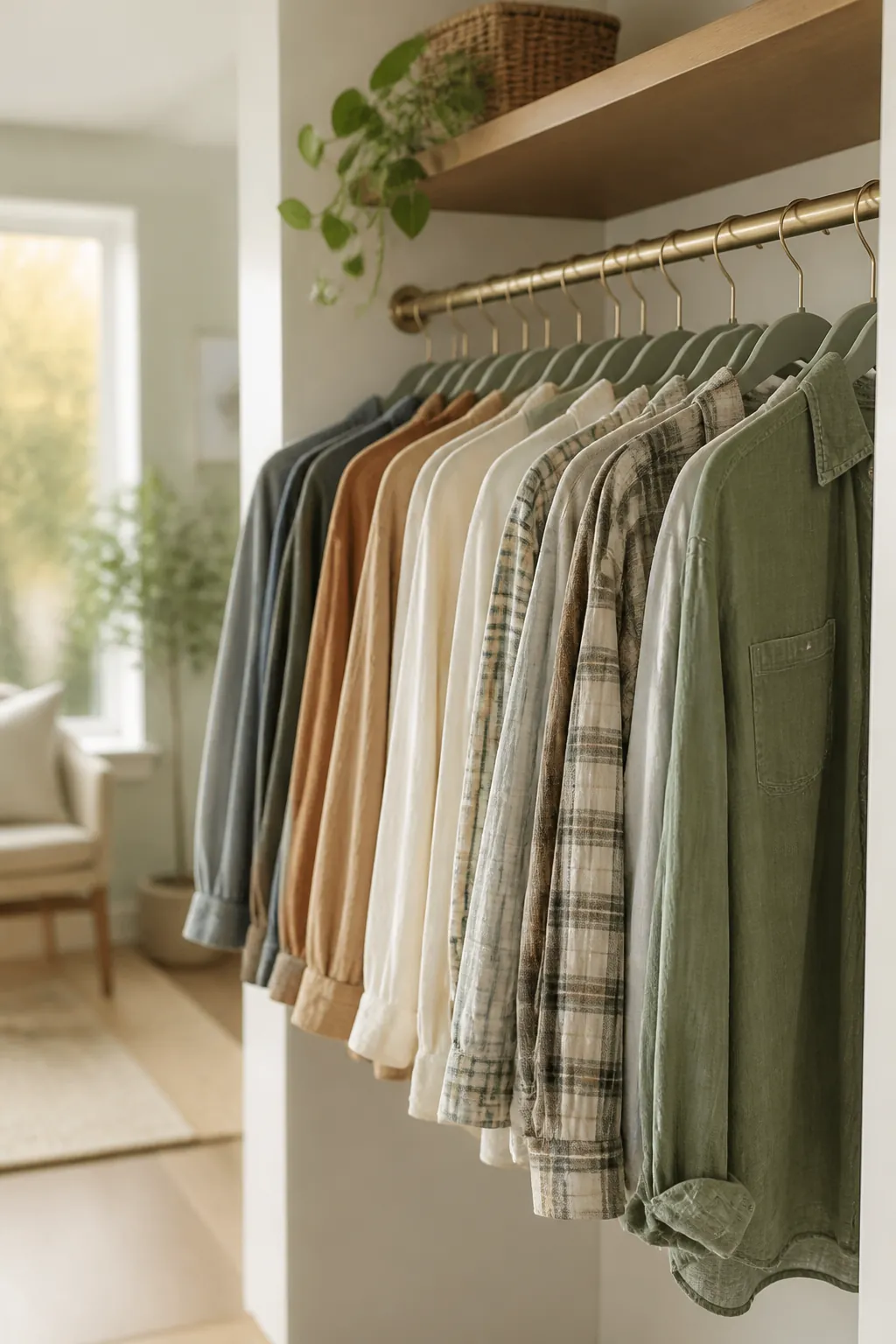
Count your hangers before the sale. Most people are surprised by the number, and it is usually higher than any single pack.
Switching a whole closet to velvet slim hangers is one of the cheapest ways to buy rod space: each one is roughly a quarter the thickness of a chunky wooden hanger, so the same rod holds noticeably more. The catch is that it only works if you switch all of them. A rod of half velvet and half plastic hangs at three different heights and looks worse than either, so buy the full count in one go, when the per-hanger price is lowest.
5. Under-bed bins, but only after measuring the clearance
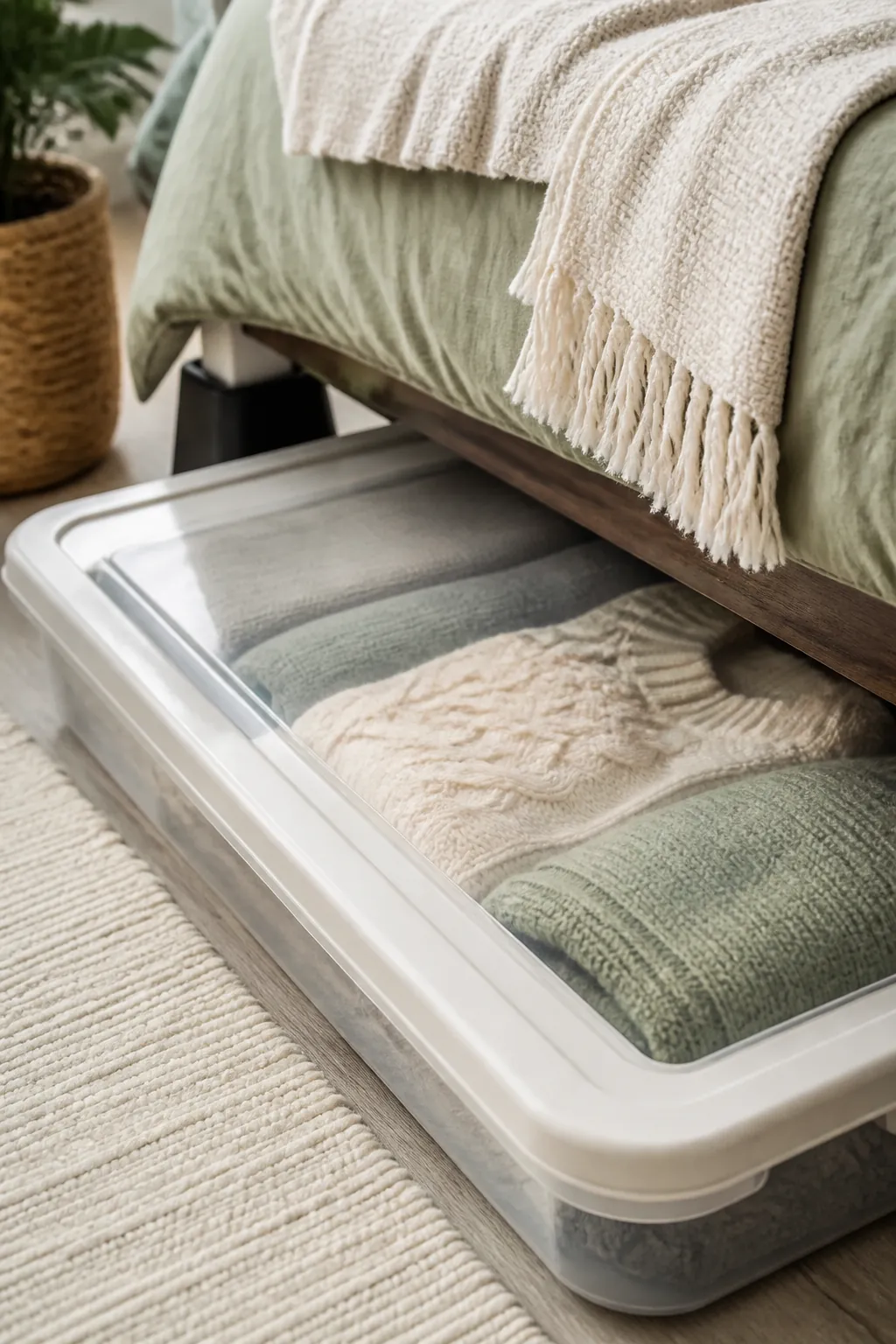
Under the bed is the largest unused volume in most small bedrooms, and flat lidded bins turn it into a whole season of clothing storage. Under-bed storage bins with lids keep dust off and slide out without shifting furniture.
This is where step 1 earns its keep. Lidded bins generally need about 6 inches of clearance, and many platform frames sit lower than that. If yours does, the fix is not a flatter bin that holds little. It is a set of bed risers bought in the same order, which lift the frame several inches and turn a useless gap into real storage.
6. Drawer organizers for the drawer you actually have
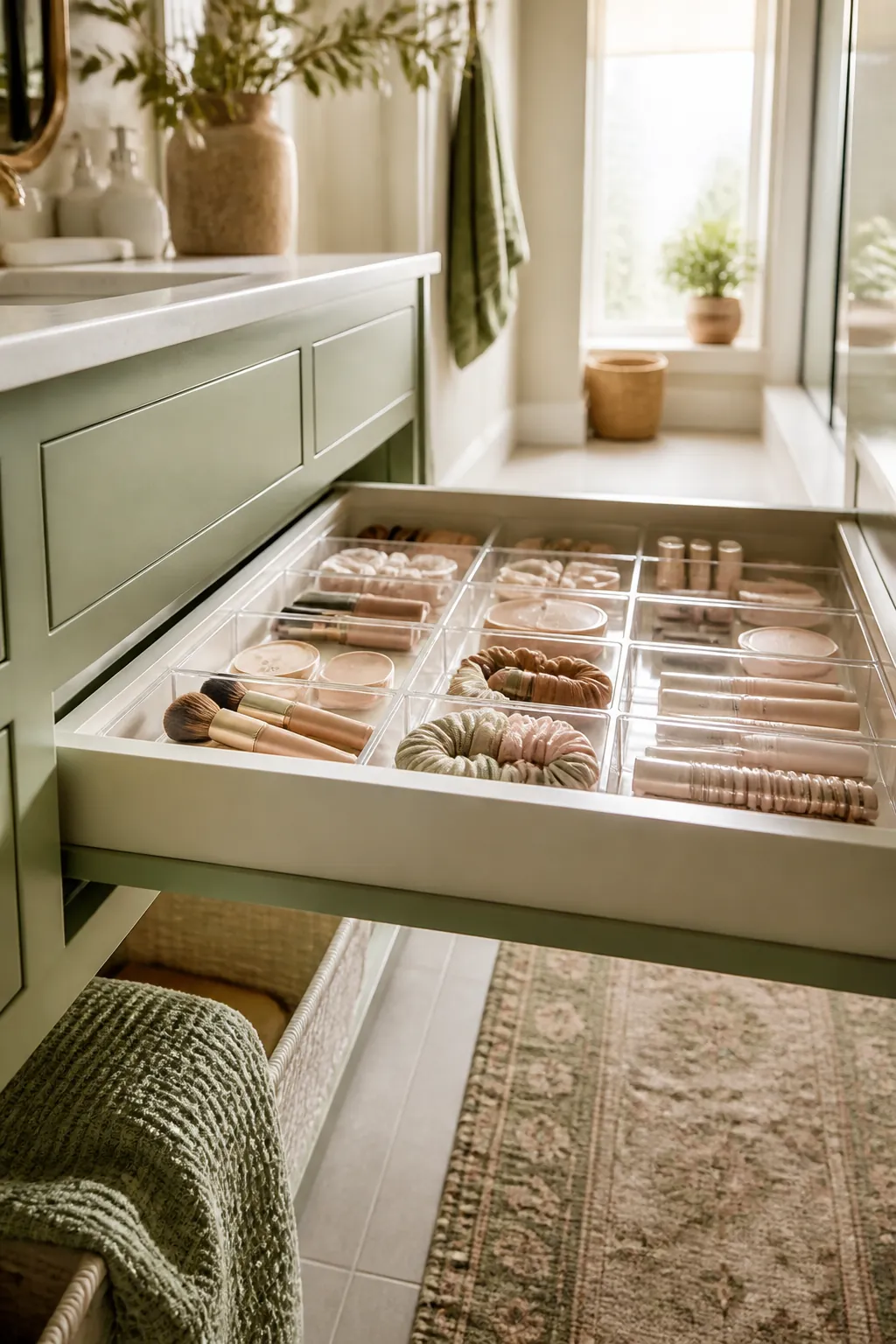
Drawer organizers are the easiest thing to buy wrong, because drawers are rarely the size they look. Measure the inside at the bottom, then buy trays that fill the whole footprint so they brace each other and do not slide.
A clear drawer organizer set with several tray sizes lets you build a grid for a bathroom or desk drawer instead of forcing one big tray into a space it half fits. A set also beats single trays on price per piece, which is the other reason it is worth waiting for.
7. A rolling cart for the gap you keep walking past
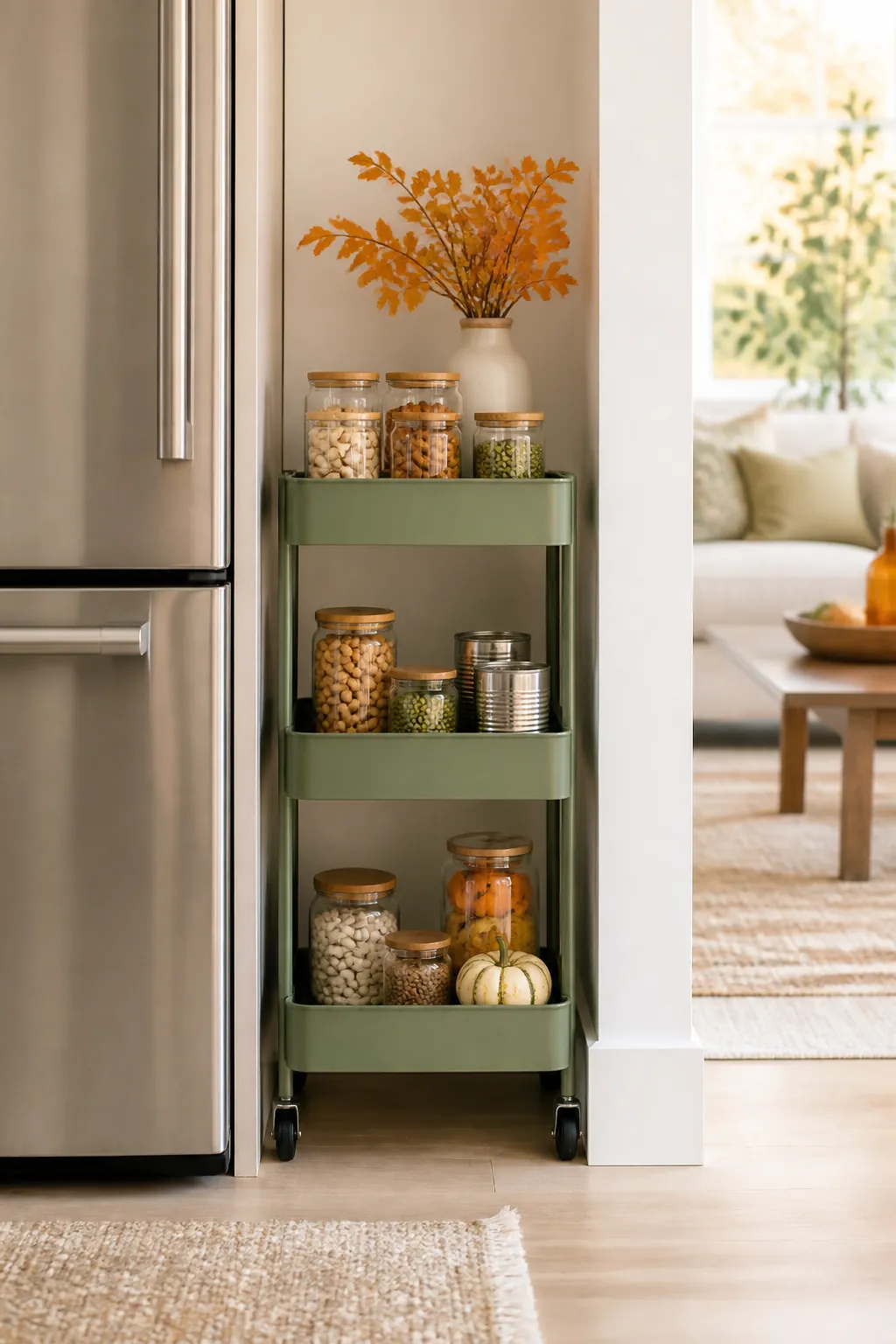
Almost every small apartment has one dead gap: beside the fridge, next to the washer, at the end of a desk. A narrow 3-tier rolling cart turns it into three shelves you can pull out and push back.
Measure the gap’s width and depth first, and leave half an inch either side so it rolls without scraping. A cart that is an inch too wide does not fit at all, and that is the most common return in this whole category.
8. A storage ottoman, if you need seating anyway
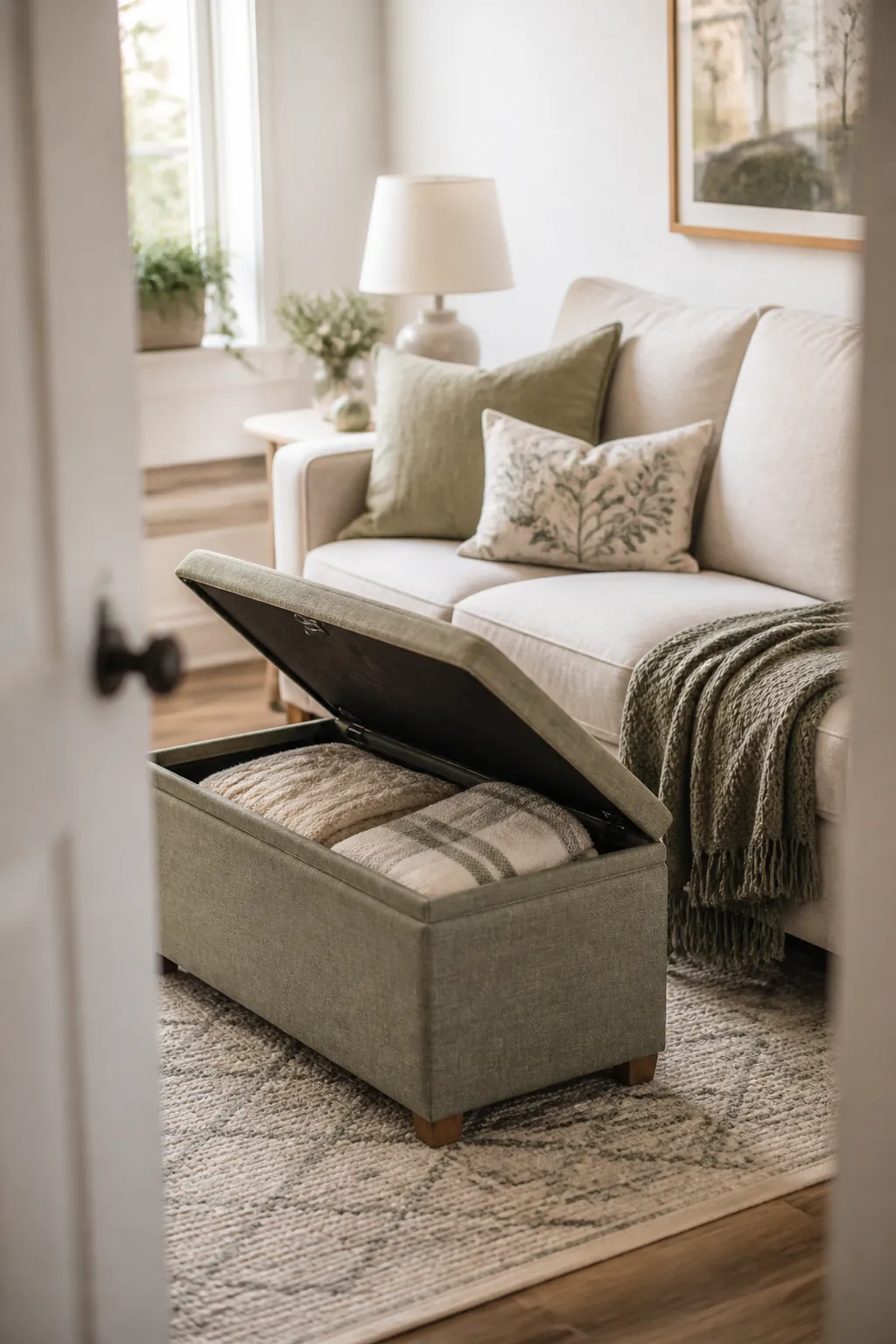
In a small living room, every piece of furniture has to store something. A storage ottoman with a lid is a seat, a footrest and a blanket chest in one footprint, which is why it is the one larger piece on this list.
Only buy it if you already need the seat or the footrest. Bought purely for storage, it takes floor you do not have to hold things you could have kept under the bed.
9. Vacuum bags for the October swap
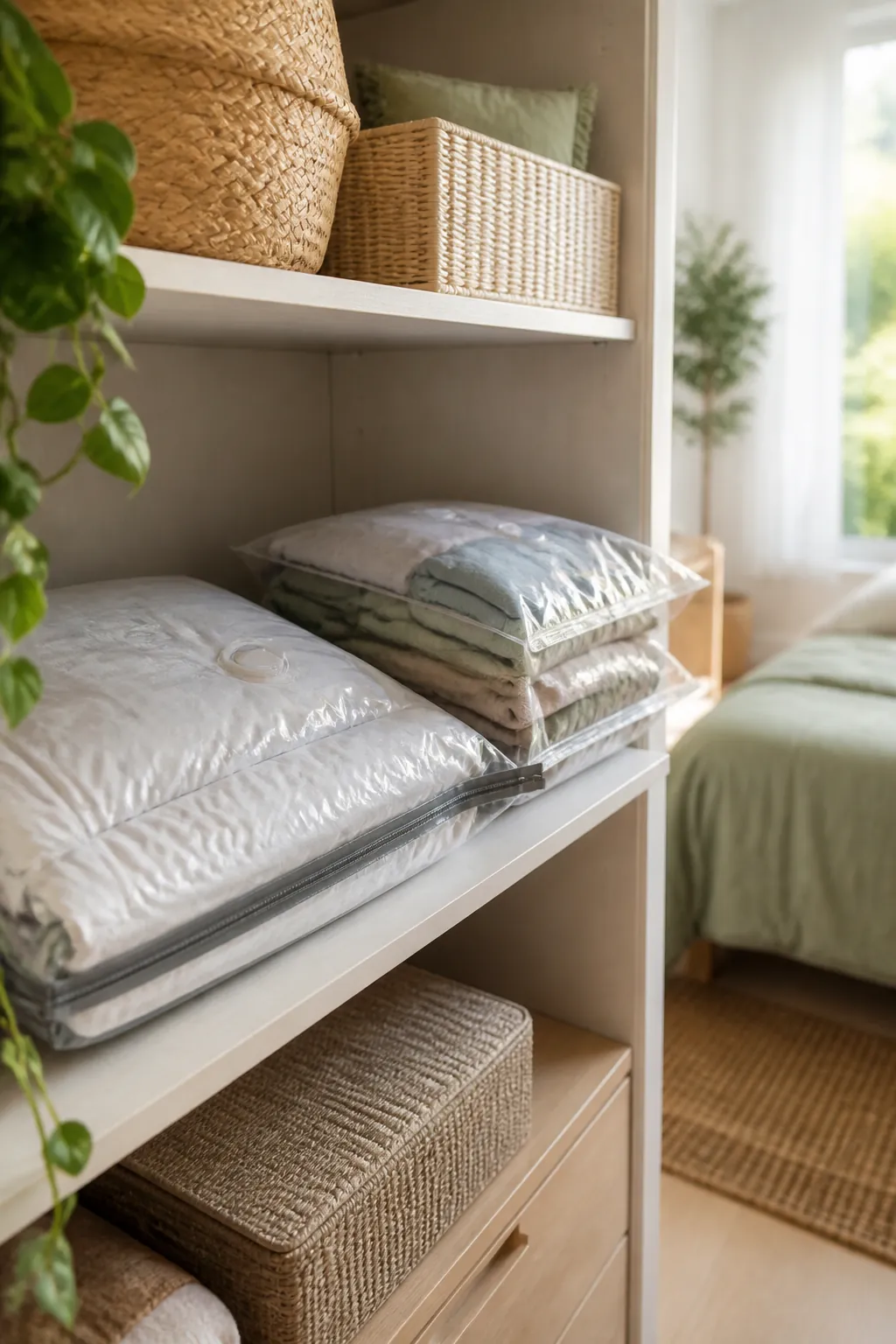
The sale lands right when summer clothes and spare bedding come out of rotation, so it is good timing for vacuum compression storage bags. They shrink bulky duvets and summer clothes to a fraction of their size for a closet shelf or under the bed.
One warning worth keeping: do not vacuum-seal wool or down. Crushing them for months breaks the fibers and the loft does not fully come back. Keep compression for synthetics, cotton and bedding.
10. What to skip, even at a discount
Some things are never a deal in a small apartment, whatever the price:
- Anything you have not measured for. If it is not on your list from step 1, it waits.
- Mixed bundles of bins or baskets in five sizes, when you only need one size.
- Pieces that need drilling if you rent. A cheaper shelf that costs part of your deposit is the most expensive shelf you can buy.
- Storage for things you plan to get rid of. Declutter first, then buy containers for what is left, not the other way round.
Check the return details on each listing before you buy, too. Items Amazon sells itself generally follow its normal return window, but third-party sellers can set their own terms.
Where to start
Do the measuring tonight, write your five numbers and your price lines in one note, and build a short list of the pieces from this page that actually fit. On 6 and 7 October, check that list a few times a day, since new deals are added throughout, and buy only what beats your line. Most small apartments need no more than three of these: usually matching bins, a full set of slim hangers and the one piece that fills the gap you walk past every day.