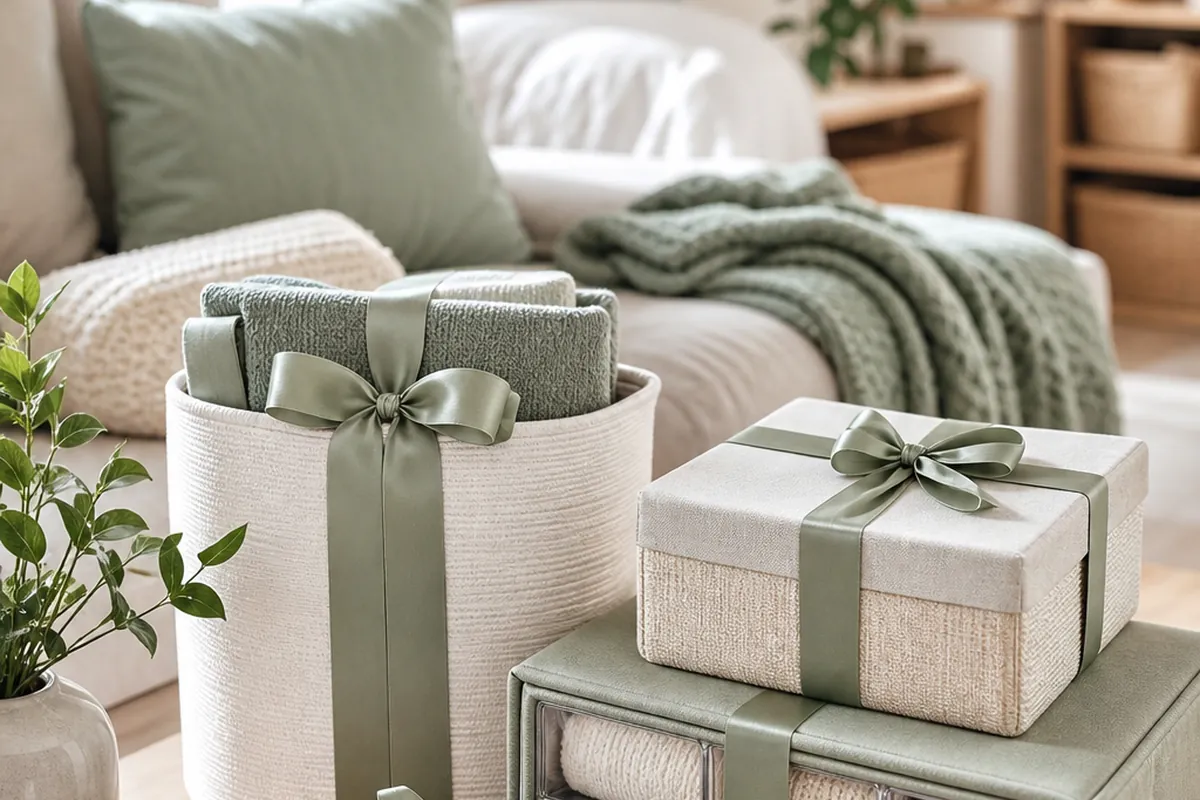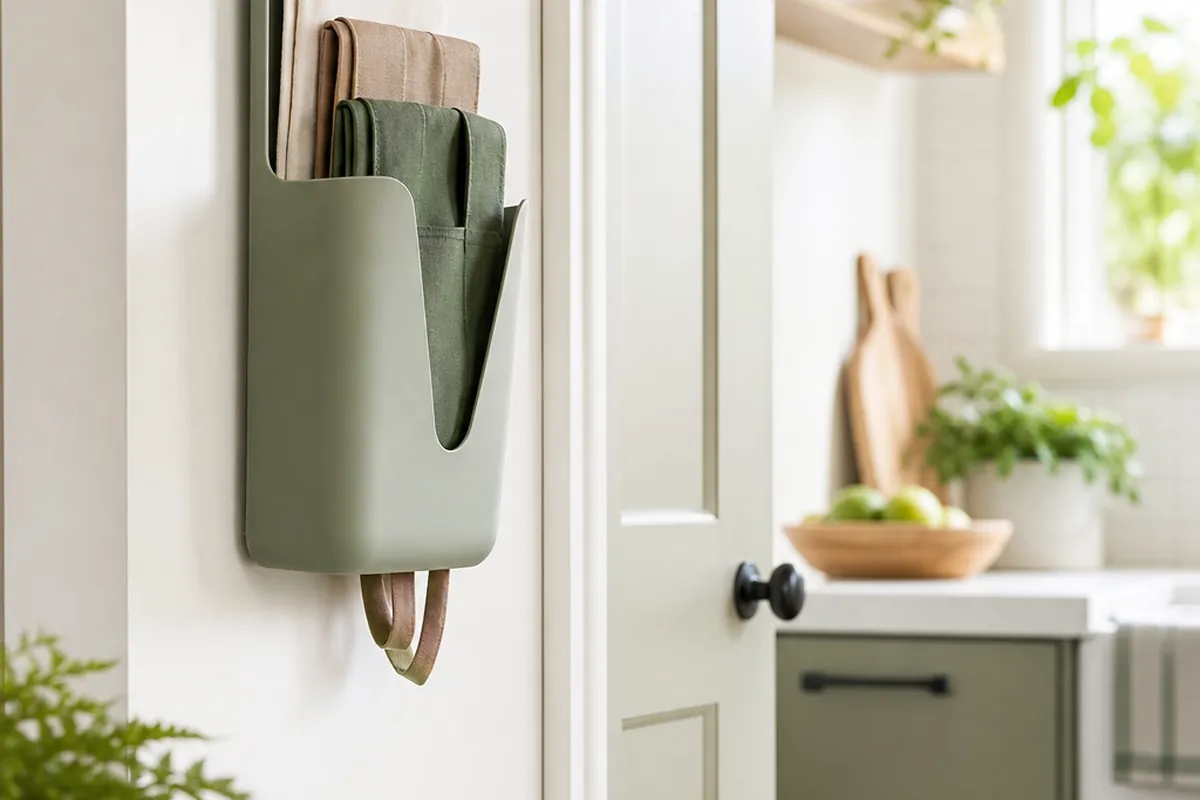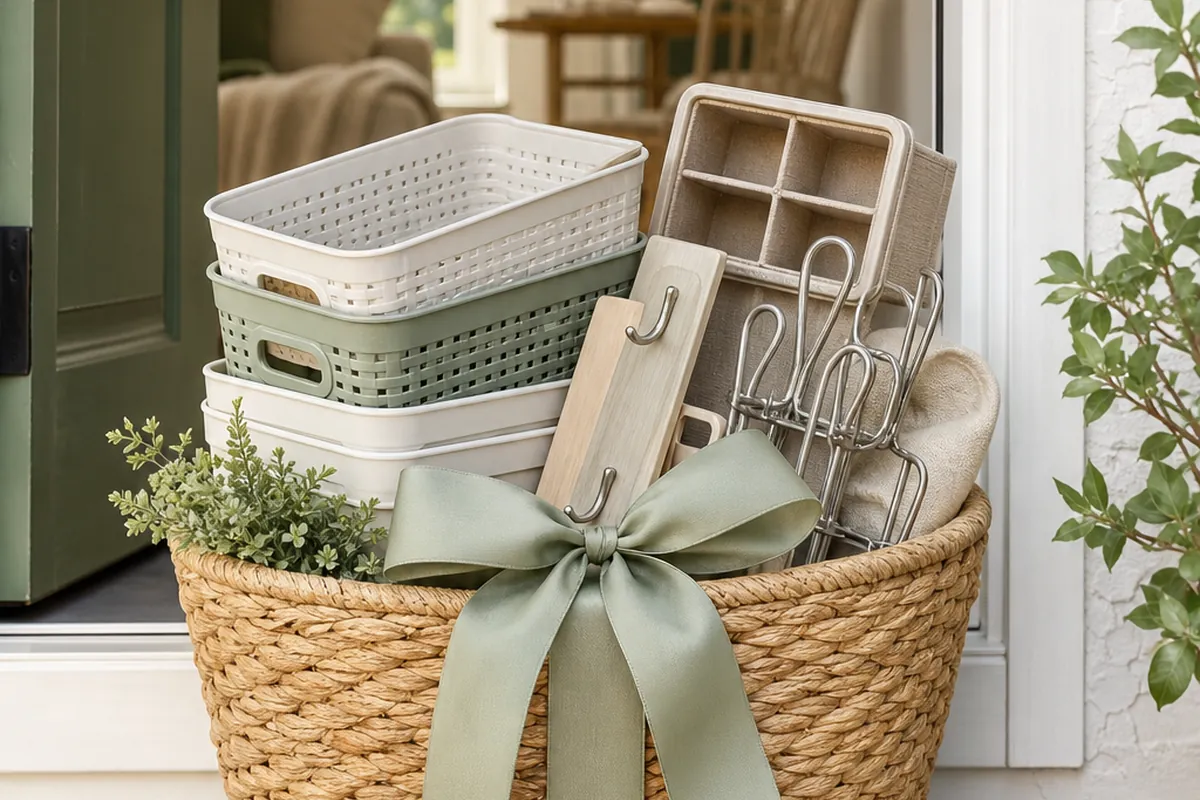
A new homeowner does not need another candle. They need somewhere to put the forty boxes currently stacked in the hallway, and they need it before the first weekend of unpacking turns into a month of stepping around them. First houses and starter condos are often smaller than the apartment someone rented for years, just with more room types, a garage, a laundry closet, two tiny bedroom closets instead of one deep one, and none of it is set up yet. That is the gap a good housewarming gift fills. Below are 12 that solve an actual space problem instead of decorating one.
1. A stackable storage bin set
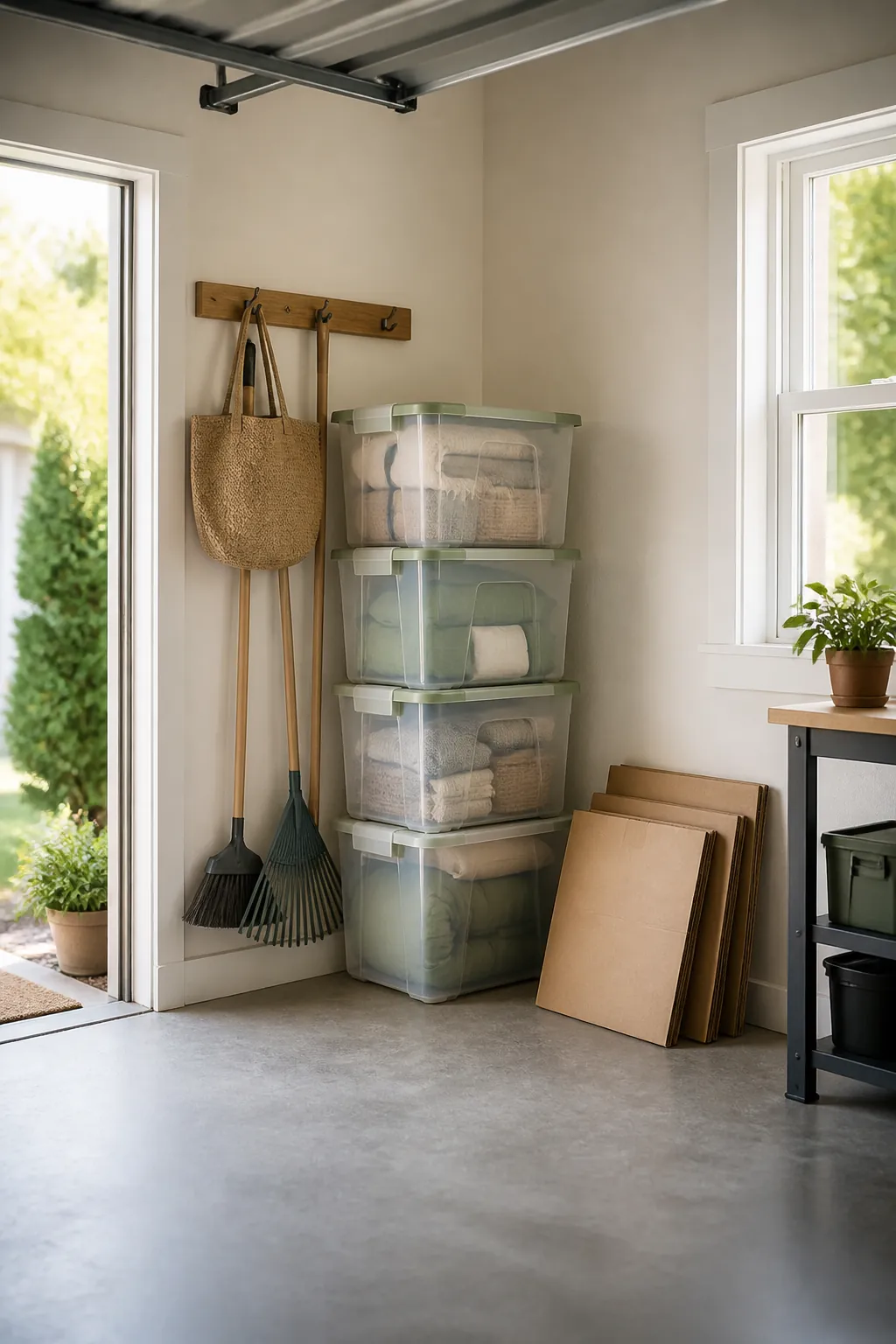
Moving boxes are cardboard, which means they crush under their own stack and go soft the first time a garage gets humid. A stackable storage bin set replaces them with something rigid enough to stack four high without the bottom one buckling. Sixty-six-quart bins are the size to gift, because that is roughly a folded moving box’s worth of holiday decor or off-season clothes, and clear sides mean nobody has to open five bins to find the one with the string lights.
2. An over-the-door hook rack
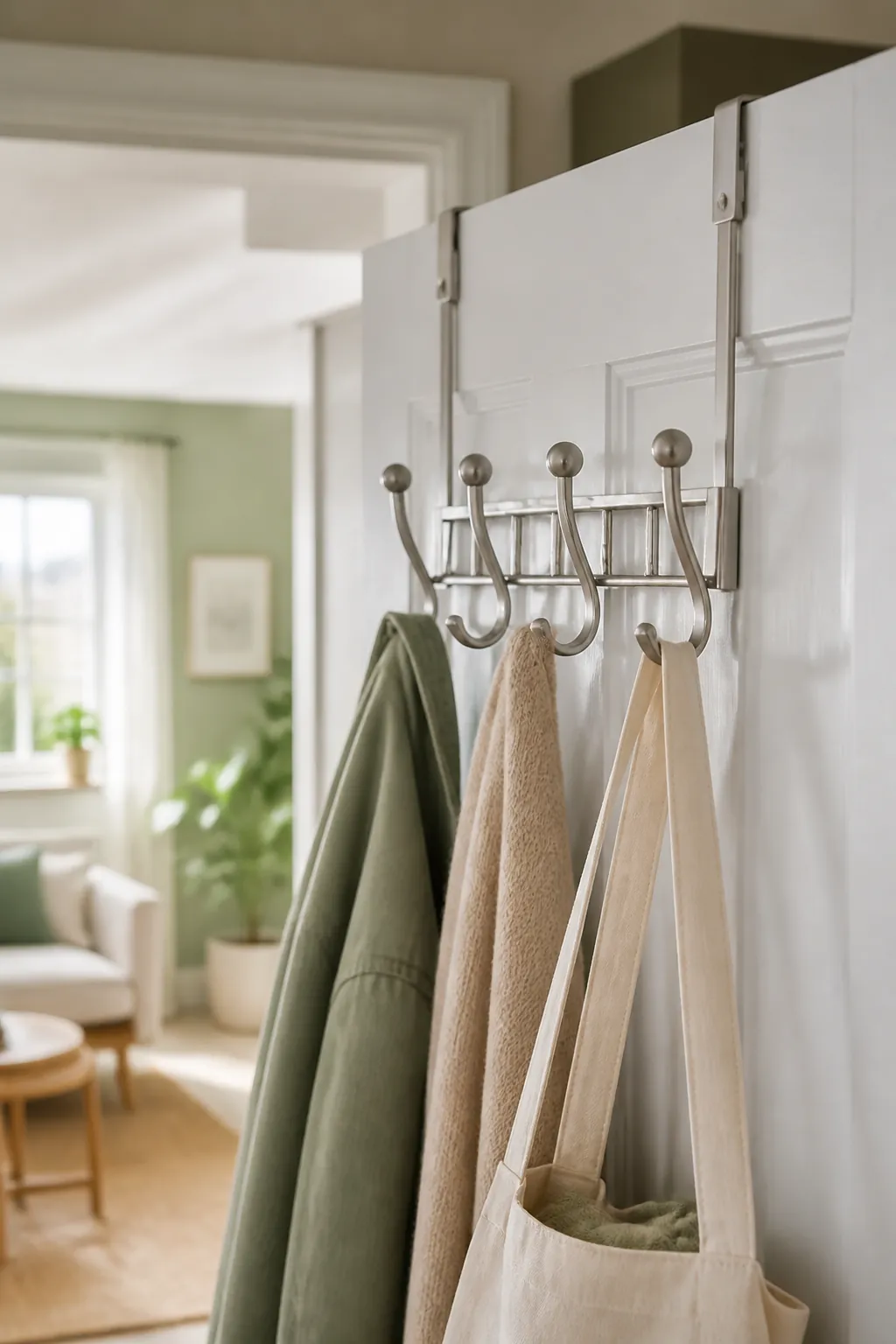
Coat closets in a first house are often smaller than the one in the last apartment, because a starter home spreads its square footage across more rooms instead of one big living space. An over-the-door hook rack hangs on the closet door itself and adds six to eight hooks without a single bracket, which matters in month one when nobody knows yet which walls are load-bearing or which ones they actually want to drill into.
3. Adhesive wall storage cups
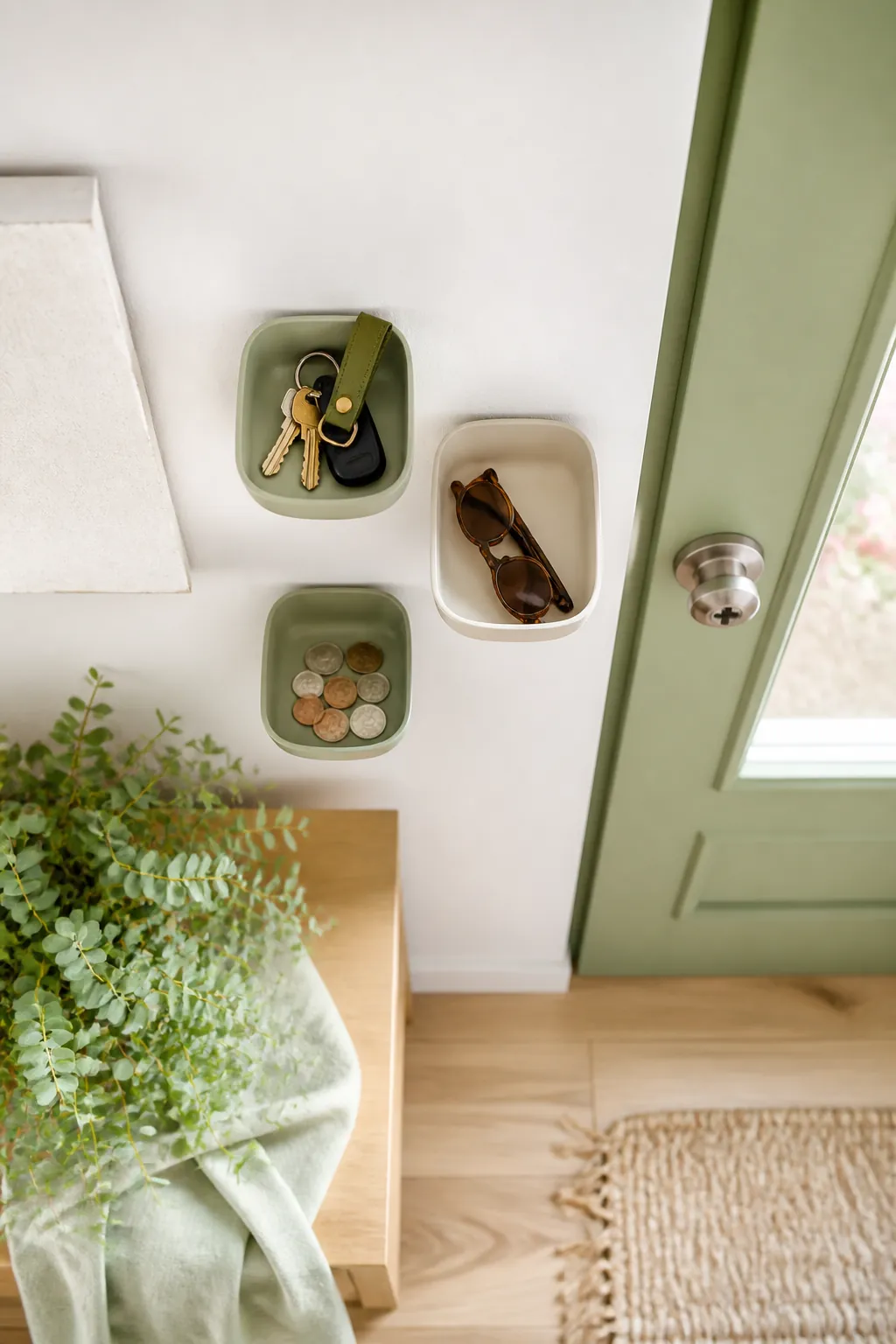
The first few weeks in a new house are the wrong time to commit to permanent shelving, because furniture has not landed and nobody knows where the sofa is going yet. A set of adhesive wall storage cups solves the entryway chaos of keys, sunglasses, and loose change without a drill, and if the exact spot turns out to be wrong, they peel off clean and move six inches to the left.
4. A turntable organizer for the blind corner cabinet
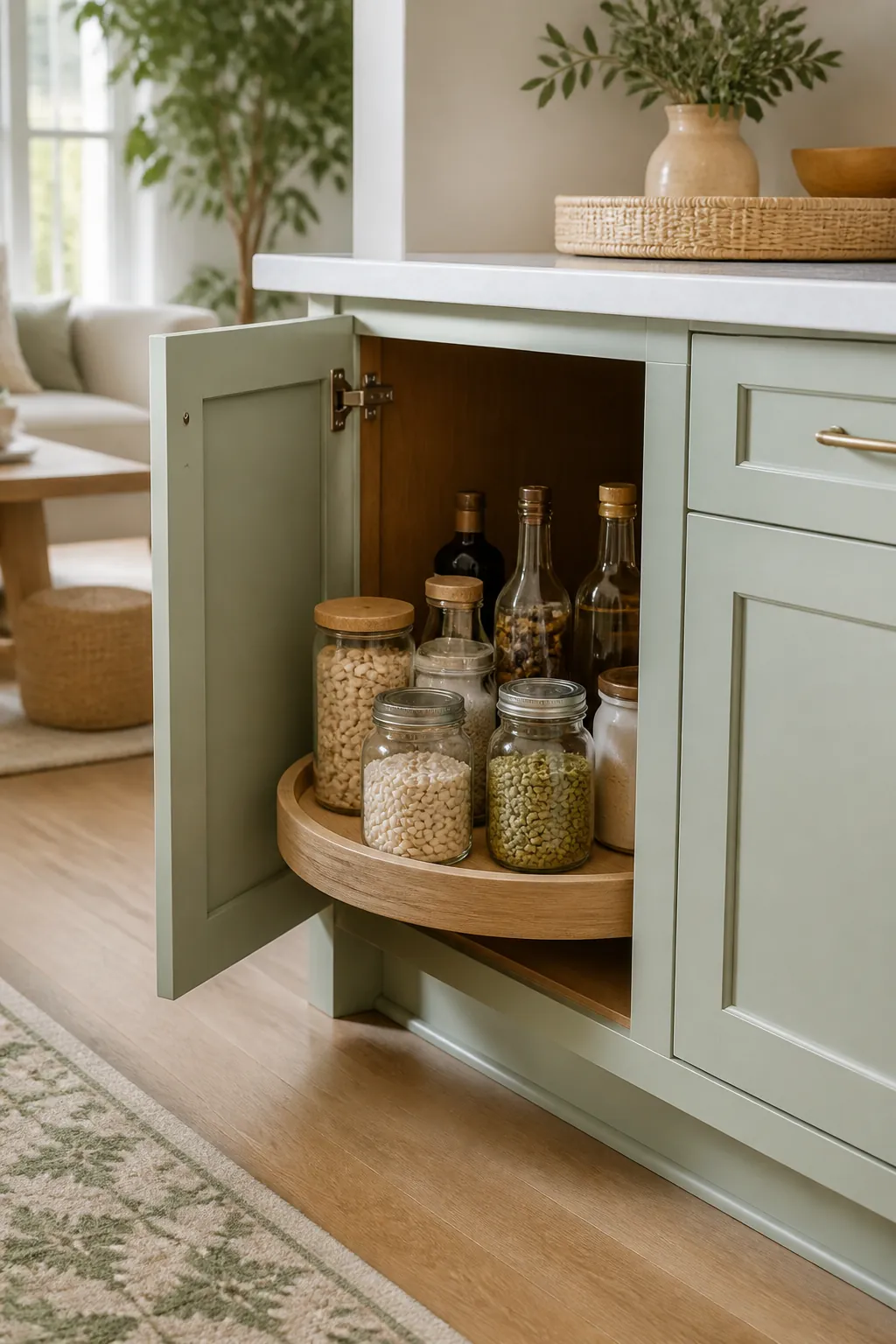
Rental kitchens rarely have them, but plenty of starter homes do: the blind corner cabinet, a deep dead zone where two counters meet that swallows whatever gets pushed to the back. A turntable organizer sits inside and spins, so a jar shoved to the rear at nine o’clock is one turn away instead of a full arm-length reach into the dark. Measure the cabinet’s depth before buying, since a shallow twenty-two-inch cabinet needs a smaller turntable than a thirty-inch one, and an oversized disc will not clear the door swing.
5. A clear drawer organizer tray set
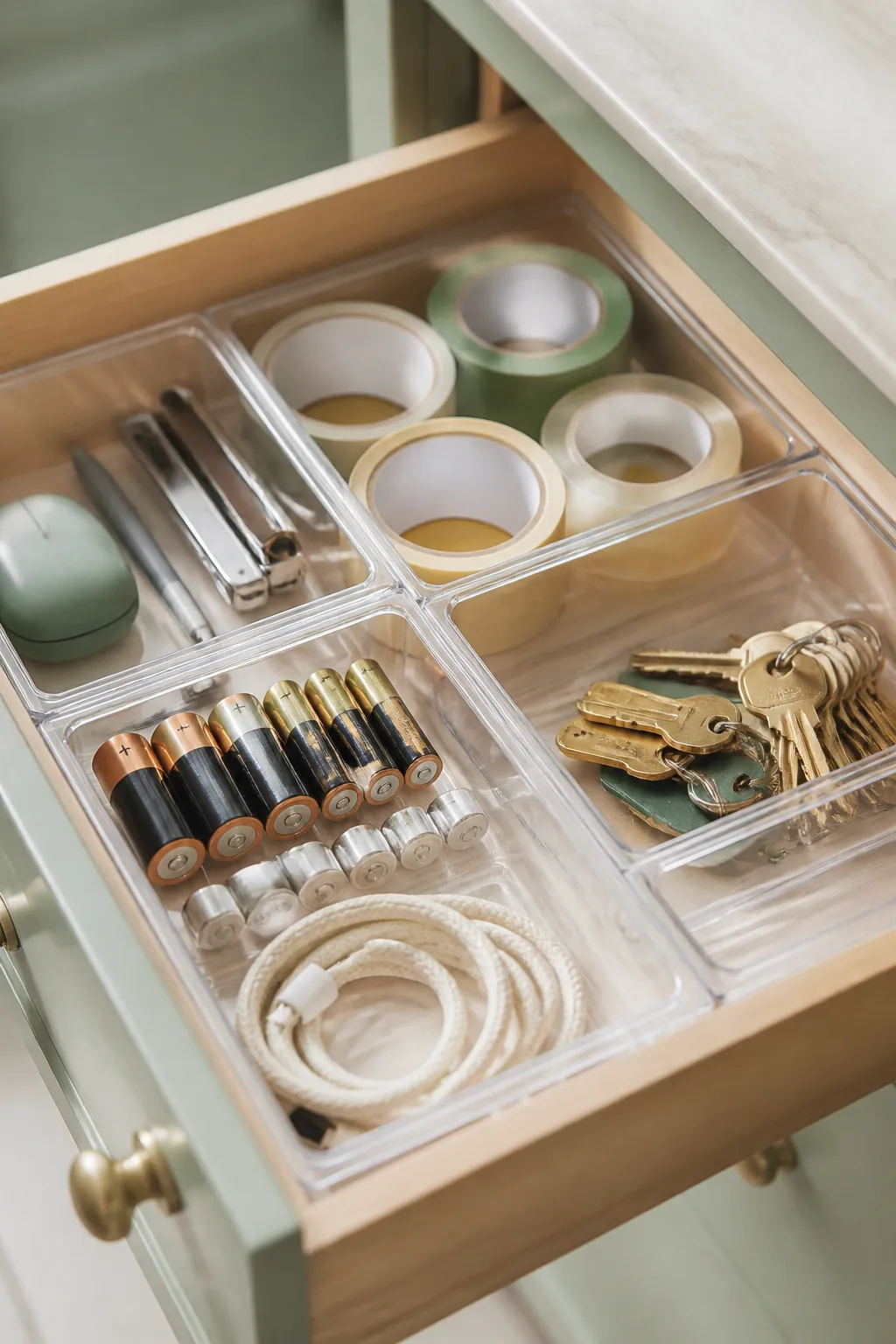
The junk drawer is inevitable, but in a new house it starts from zero, which is the best possible time to give it structure instead of letting takeout menus and twist ties claim it first. A clear drawer organizer tray set gives batteries, tape, and spare keys their own lane from day one, so the drawer never gets the chance to become a landfill in the first place. Most kitchen junk drawers run about two to three inches deep, so it is worth checking that measurement before buying a tray tall enough to jam the drawer shut.
6. Bamboo drawer dividers
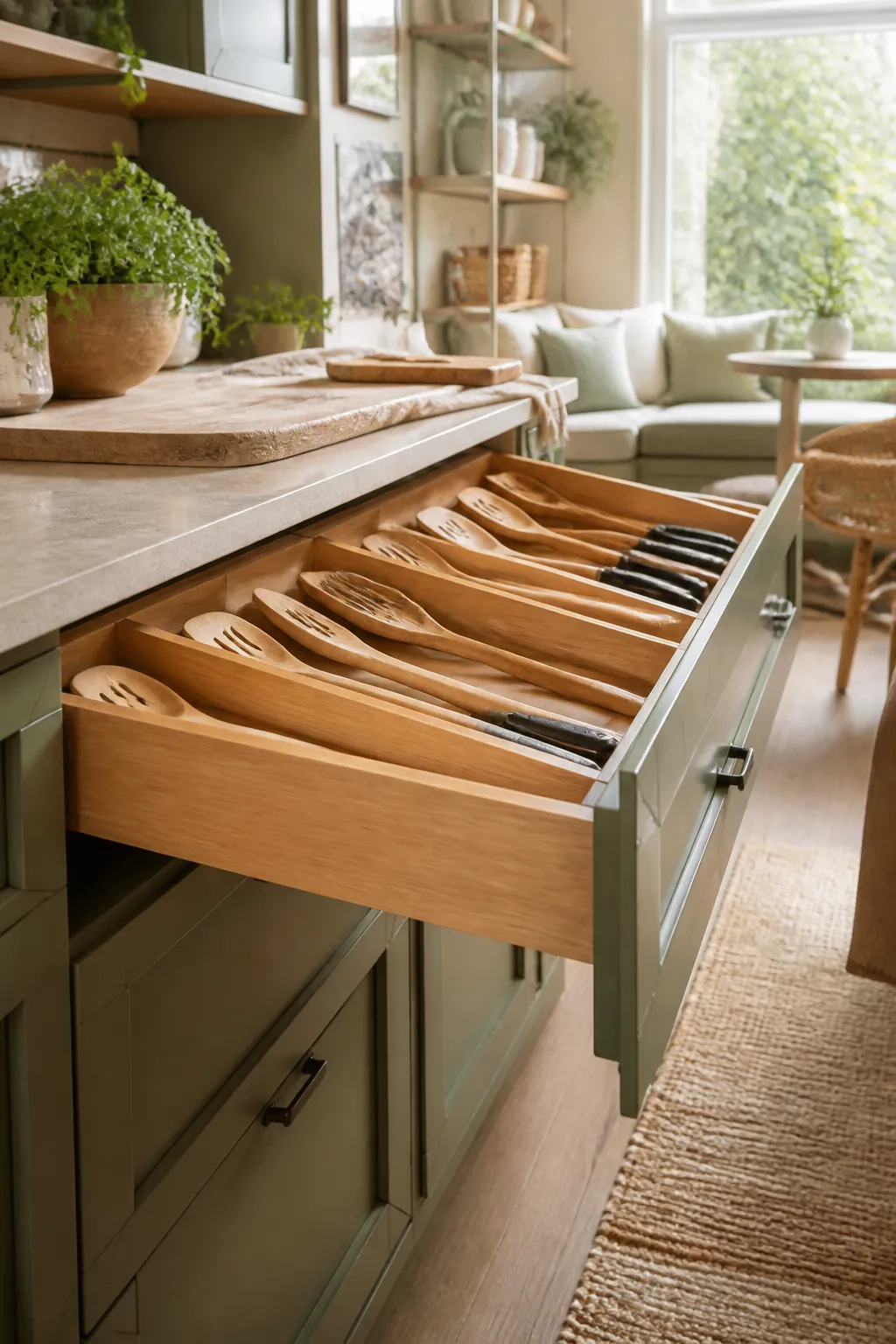
A second gift for the kitchen, and a different problem than the one above. Utensil drawers in a first house are often deeper and wider than what someone had in a rental, and a fixed plastic tray does not stretch to fit. Bamboo dividers typically expand somewhere in the seventeen-to-twenty-two-inch range and slot in at any angle, which matters because a spatula drawer and a knife drawer need completely different spacing, and a fixed-width tray bought for the old apartment will not spring the extra few inches a starter-home drawer usually adds.
7. Floating wall shelves

This is the one gift on the list that leans into what a homeowner has that a renter does not: permission to drill. A set of three floating wall shelves needs studs, ideally sixteen inches apart on center, and proper anchors if the mounting point falls between them, since drywall alone will not hold a shelf loaded with books or plants. Give this to someone who has already found their stud finder, or bundle the two together, because a shelf mounted into drywall only is a shelf that will eventually come down.
8. A wall-mounted key and mail organizer
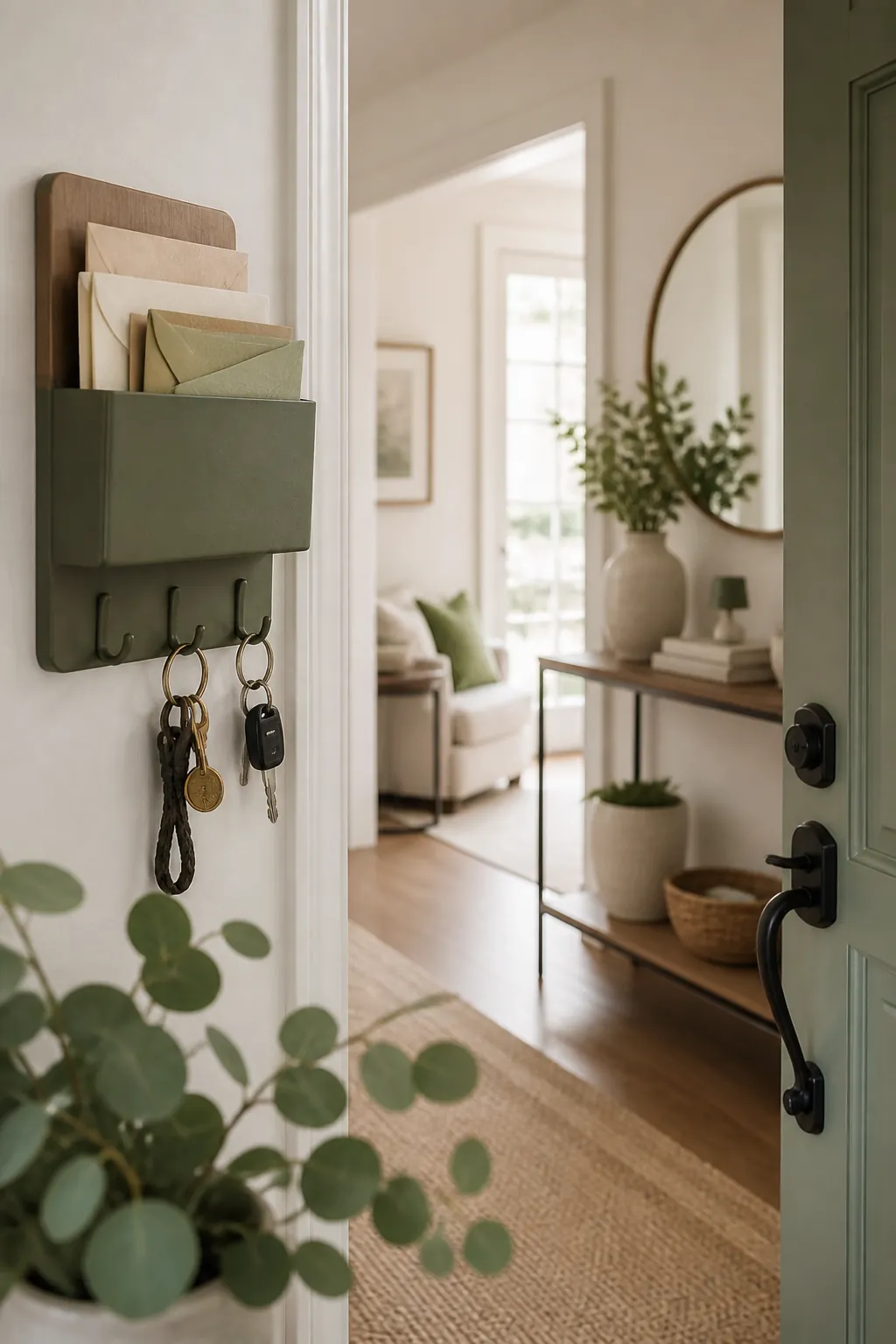
Every new house develops a spot where mail piles up on the kitchen counter within the first week, usually right by the door where it gets dropped and never moves again. A wall-mounted key and mail organizer intercepts it before it lands on the counter, with a small tray for outgoing mail and hooks below for keys, so the counter stays clear for the six months it takes most people to build the habit on their own. Skip the versions with a tray shallower than a standard envelope, about four inches deep, since anything smaller just tips mail onto the floor instead of stopping it.
9. A 3-tier rolling storage cart
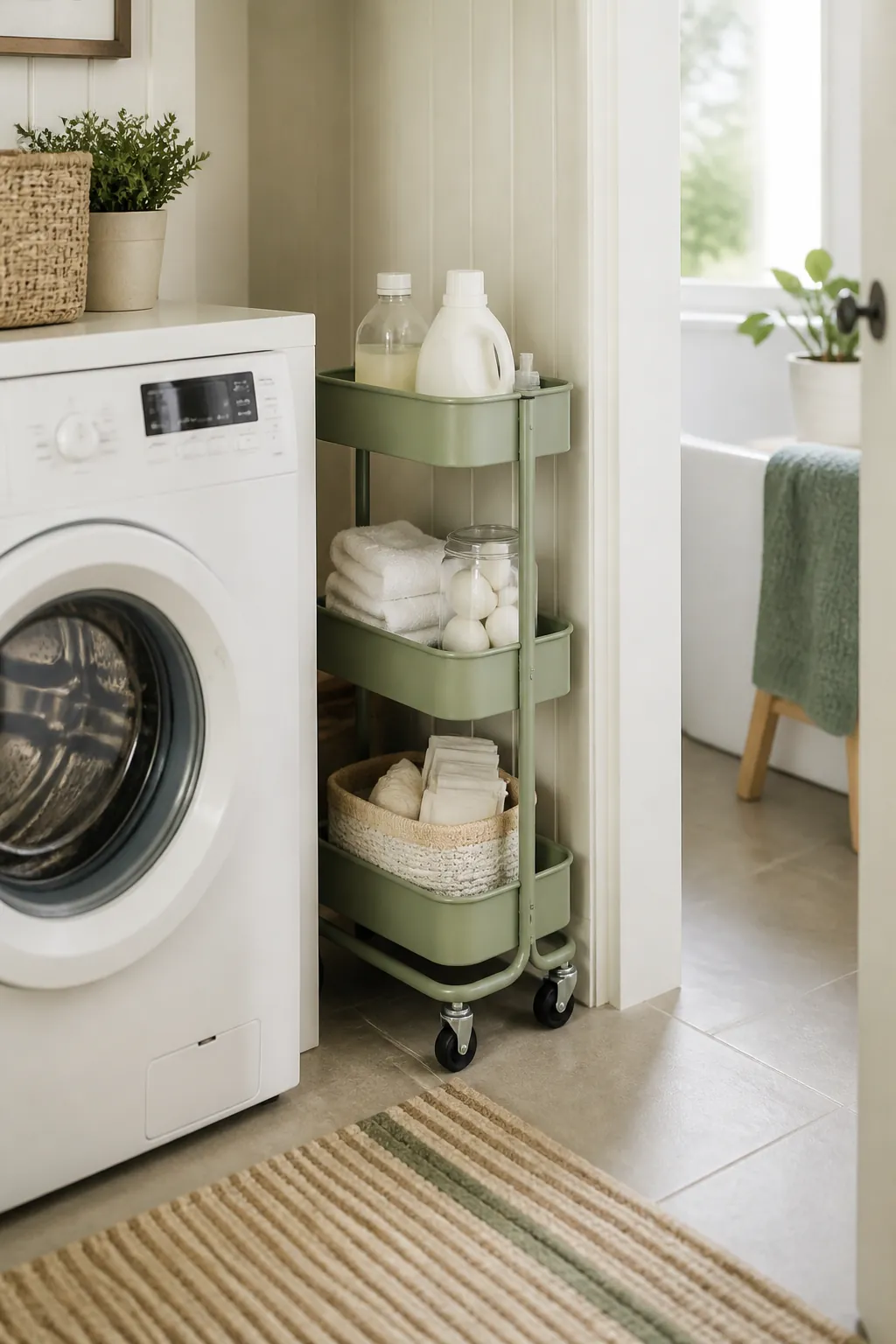
A first house usually means a laundry room that did not exist in the last apartment, and it is almost always missing shelving for detergent and dryer sheets. A 3-tier rolling cart is narrow enough to fit in the gap beside a washer, typically around eleven by fifteen inches at the base, and it rolls, so it can follow the owner from laundry room to garage to home office as they figure out where their permanent shelving is actually going.
10. A storage ottoman with lid
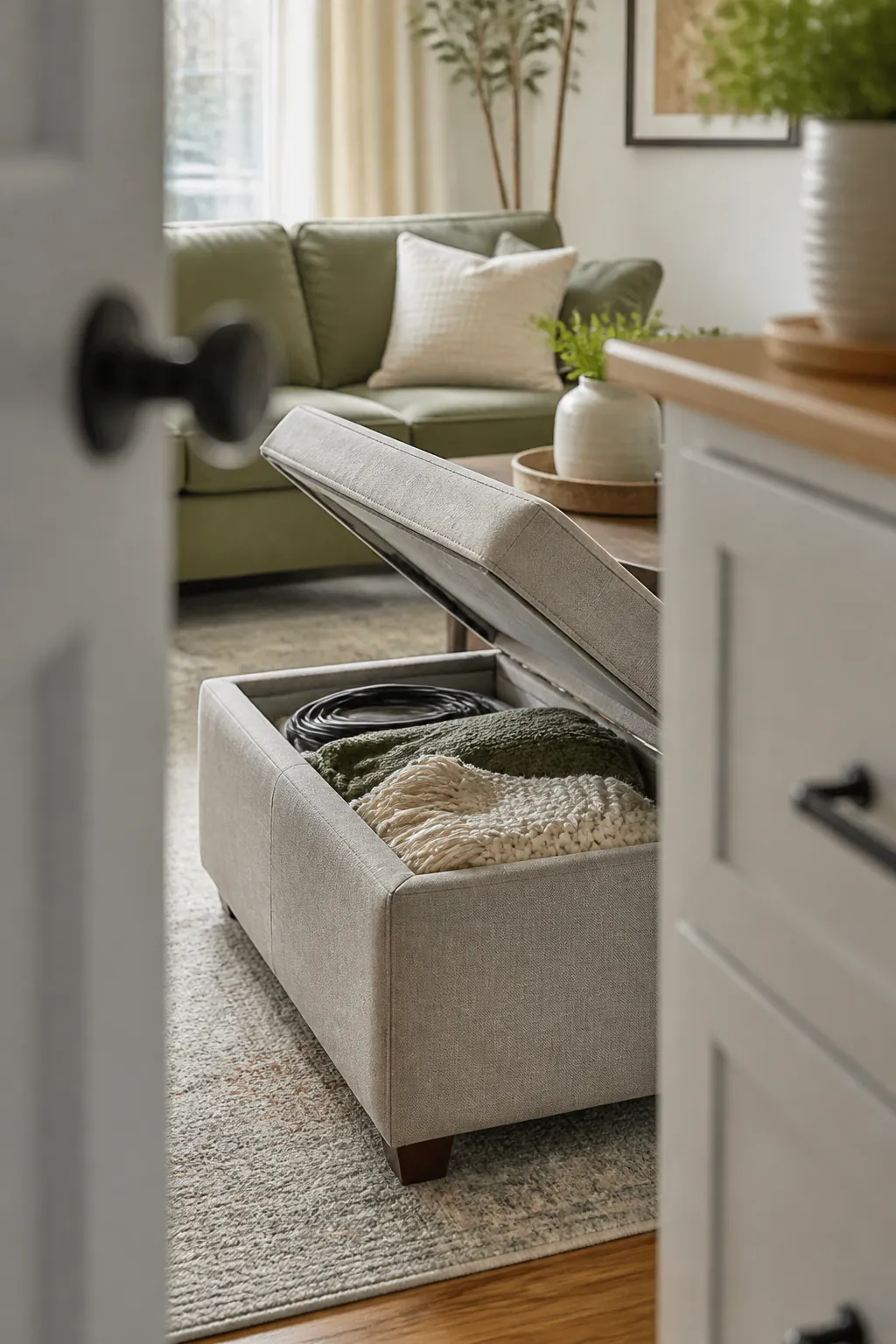
Housewarming guests need somewhere to sit, and a new living room rarely has enough seating in the first few months while furniture arrives piece by piece. A storage ottoman with a lift-off lid solves both problems at once: it seats a person and swallows the throw blankets and stray cables that otherwise live on the floor. Check the weight rating before loading it with anything heavier than linens, since most lidded ottomans top out around 250 to 300 pounds seated evenly and were never built to take someone standing on the lid to reach a high shelf.
11. Under-bed storage bins with lids
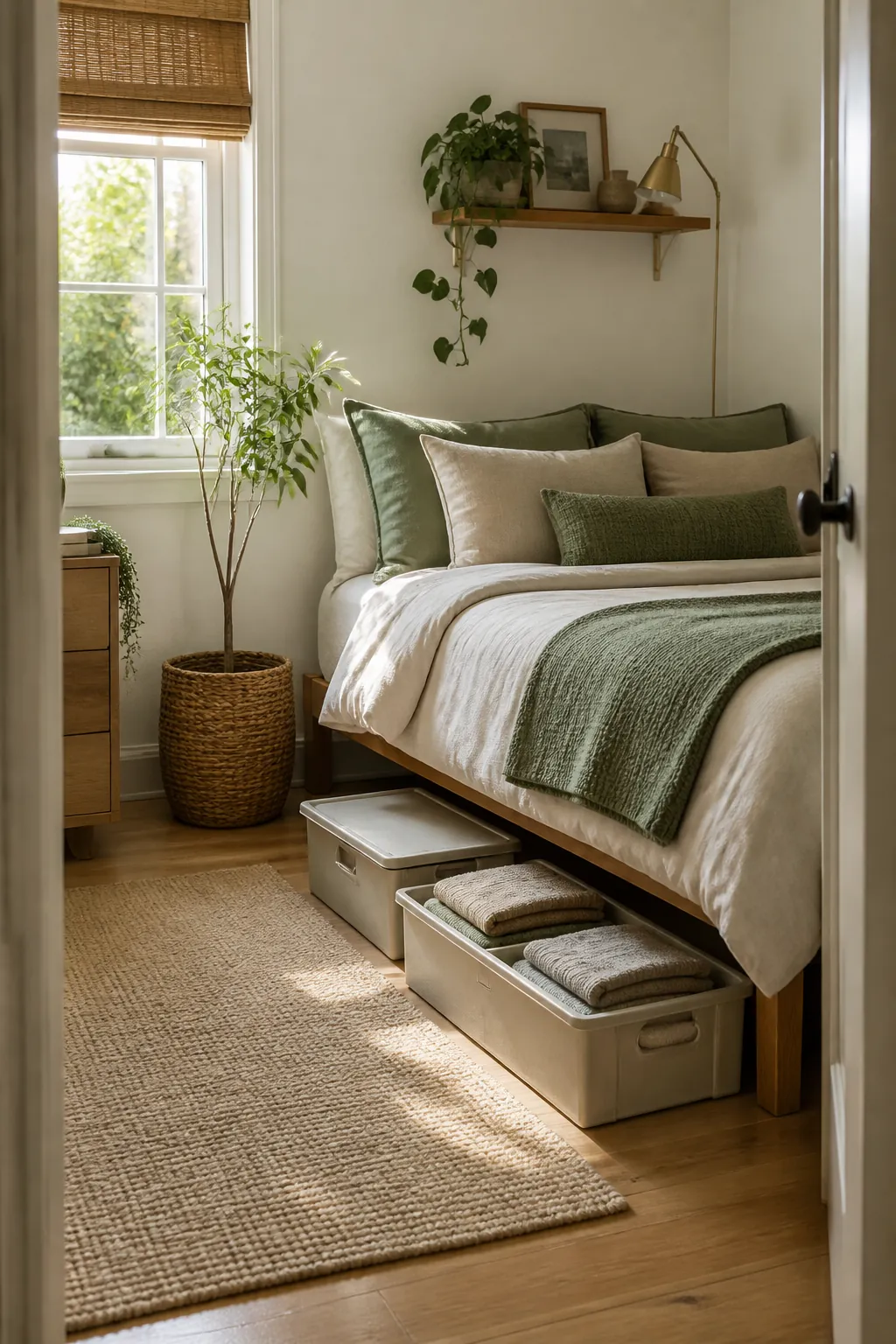
Bedroom closets in a starter home are often smaller than expected, split across two rooms instead of concentrated into one large one, and the space under the bed frame is the easiest overflow a new homeowner has not thought to use yet. Lidded under-bed bins need about six inches of clearance to slide under a standard bed frame, so it is worth confirming that measurement before buying rather than assuming every frame clears the same. Seasonal clothes and spare linens are the natural fit, since neither needs to be pulled out more than a couple of times a year.
12. A label maker
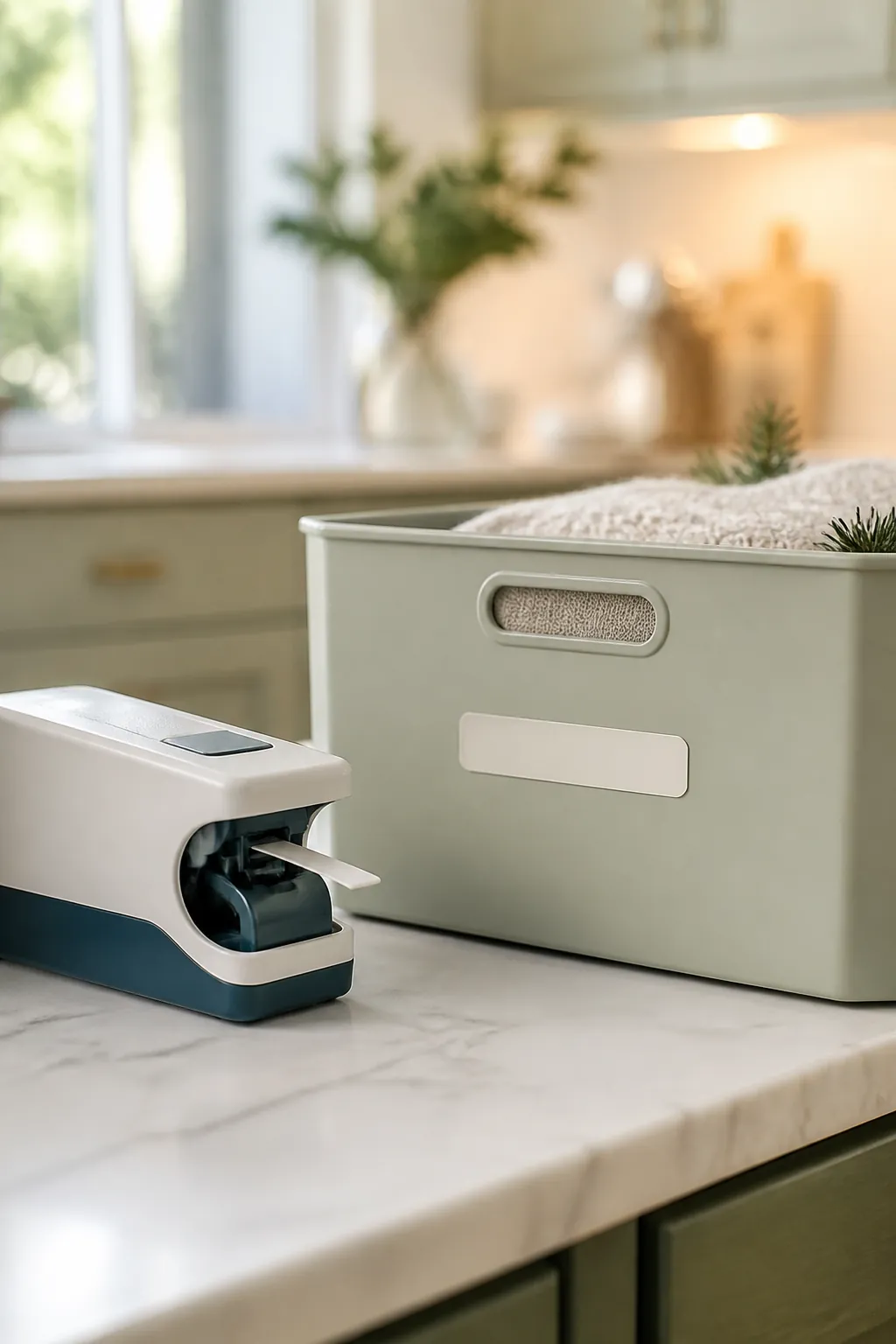
Save this for last because it ties the whole gift together. A new homeowner is building storage systems from nothing, and a labeled bin gets used correctly far more often than an unlabeled one, especially once a partner or roommate is also putting things away. Once the garage bins say “holiday” and “tools” instead of nothing at all, the system holds together past the first month, which is usually where unlabeled organizing efforts quietly fall apart.
Where to start
Do not buy all 12. Pick two or three based on what you actually know about their new place: a kitchen gift if they mentioned a tiny galley layout, a garage gift if they have one for the first time, an entryway gift if you have seen photos of the front door already buried in shoes. Pair a linked item with the label maker and you have covered both the container and the system that keeps it working. That combination, more than any single clever product, is what actually survives past the unpacking phase and into how the house runs a year later.