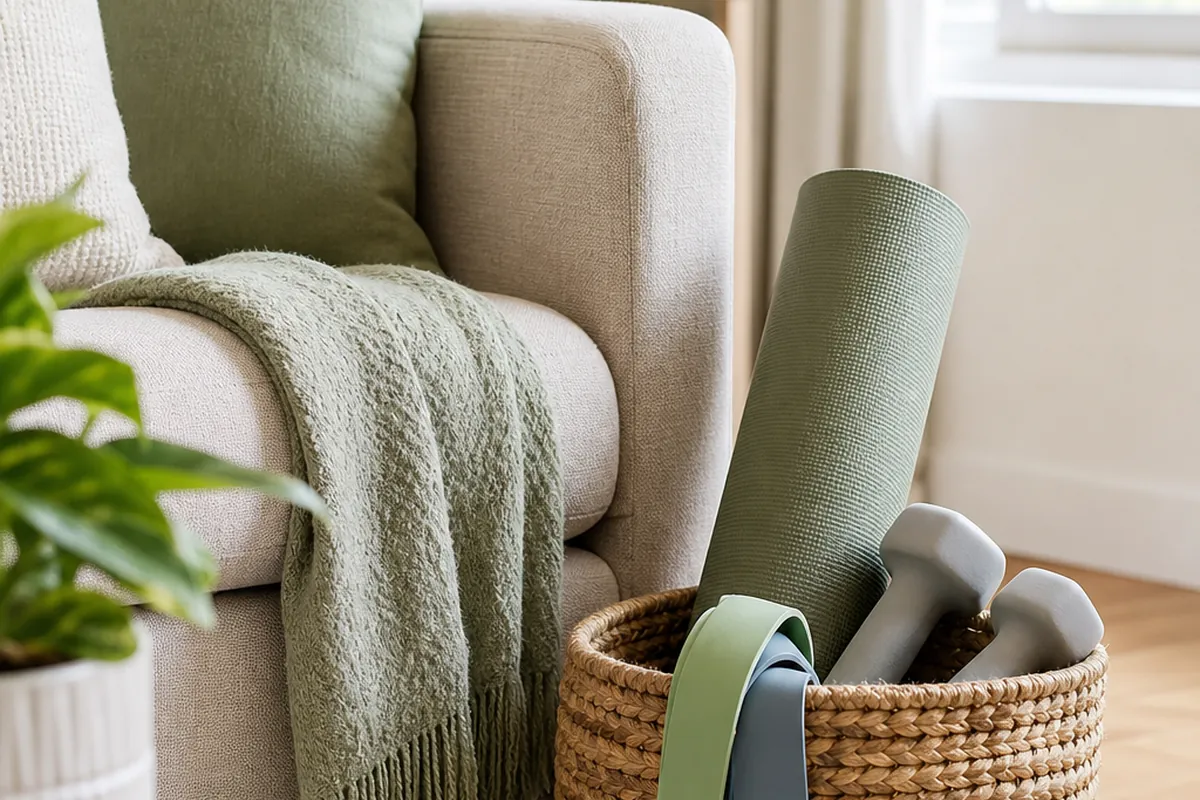
A full-apartment declutter sounds like a weekend project and dies like one. The closet eats three hours on its own, the kitchen drawer fights back, and by Sunday afternoon half the rooms are pulled apart with nothing actually out the door. The fix is not more motivation. It is a smaller unit of work: one room, one timer, and a clear rule for what leaves, so the session ends with less in the apartment instead of just rearranged.
This checklist runs room by room, in an order built to create momentum rather than burn it, with the one test that matters most in each room.
1. Give each room a timer, not a weekend
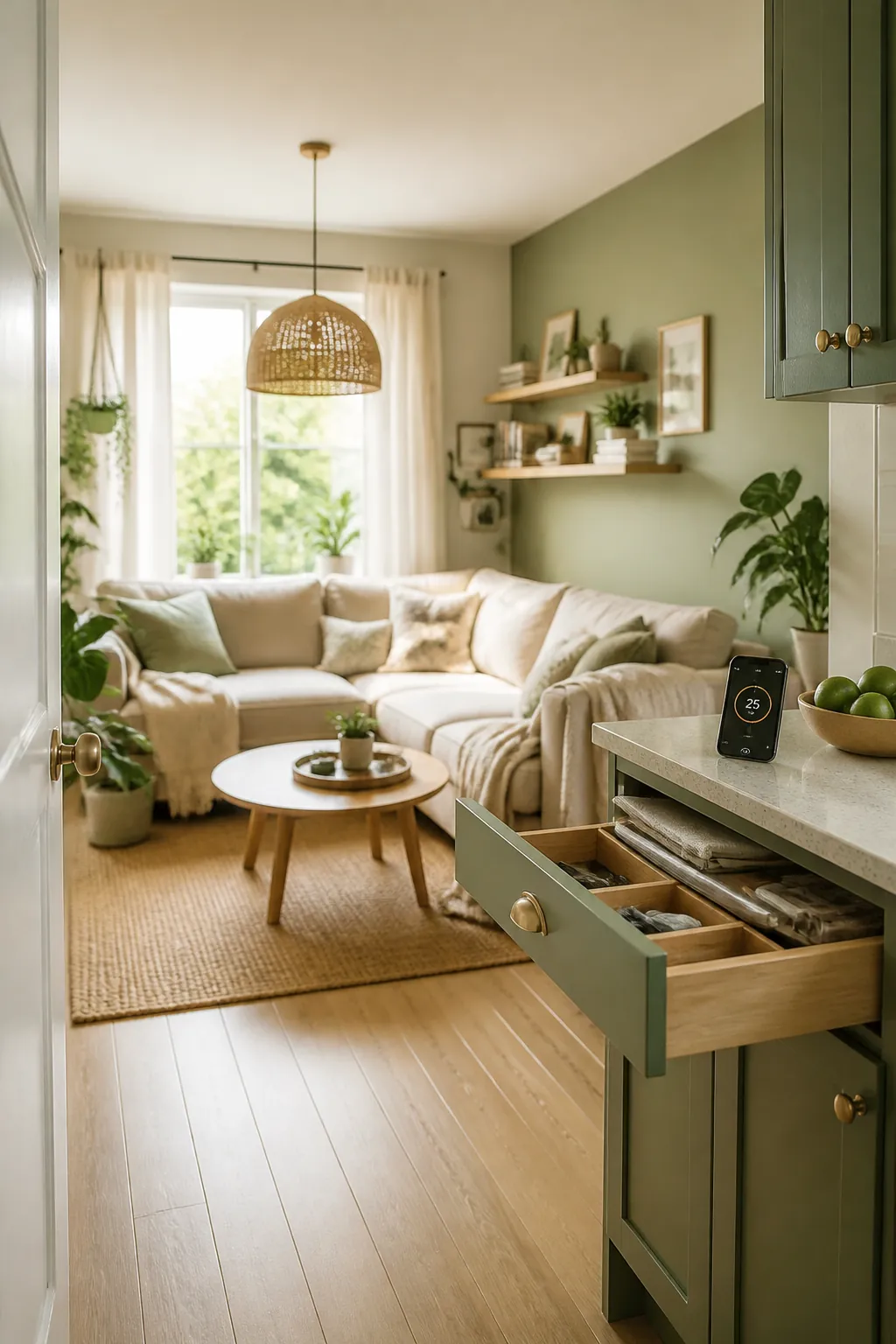
Set 25 minutes and work exactly one room: one closet, one kitchen drawer, one bathroom cabinet. Twenty-five minutes is long enough to actually clear a shelf and short enough that starting does not feel like committing a whole afternoon.
Open-ended sessions stall on the first hard decision, the inherited vase, the expensive gadget used twice, and once one decision takes ten minutes the whole session collapses into scrolling on the phone instead. Put anything you are genuinely unsure about into a separate maybe pile and keep moving. You can revisit the maybe pile in its own 25-minute session later, which is a far easier decision than it was the first time, once the easy 90 percent of the room is already gone.
2. Start in the room with the least emotional weight
Decluttering is decision-making, and decision-making runs out fast. Spend it on a closet full of childhood photos first and you will be done for the day after twenty objects.
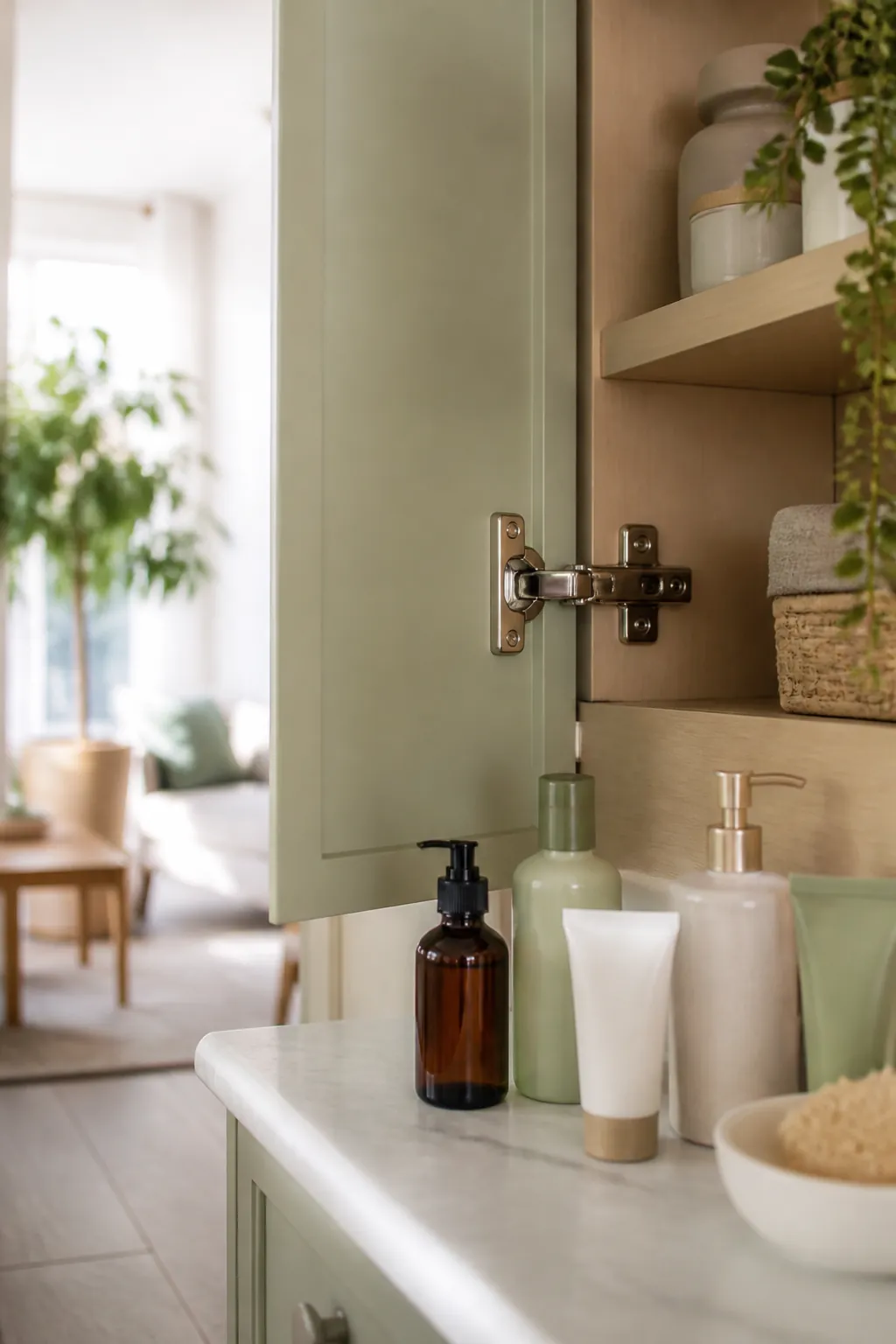
Start with a bathroom cabinet or a kitchen junk drawer instead. Most of what is in there is expired, duplicated, or simply never used, and none of it carries a memory, so the calls are fast and the pile of discards grows quickly enough to feel like real progress. Save the bedroom closet, the desk drawer with old cards in it, and anything tied to a person or an event for after two or three easy rooms, once you have momentum built up to spend.
3. The entryway: clear the drop zone before you touch the closet

A console table or shelf by the door can absorb exactly one layer of stuff before it becomes a pile, and most entryways are carrying three or four layers: shoes that do not fit anymore, mail that is weeks old, a tangle of chargers nobody claims.
Pull every pair of shoes currently sitting by the door and keep only what actually gets worn in a normal week, usually two or three pairs per person. Everything else goes back to closet storage, into shoe storage ideas that fit a small entryway if it still earns a spot by the door, or into the donate pile if it has not been worn in a year. Any mail older than about two weeks gets opened, actioned, or shredded on the spot; it is not information anymore, it is just paper taking up the one surface you need clear.
Resist buying a new tray or basket at this stage. Sorting what is actually staying tells you what size container you need; buying one first just gives the existing mess a tidier-looking home.
4. The living room: clear the three catch-trays
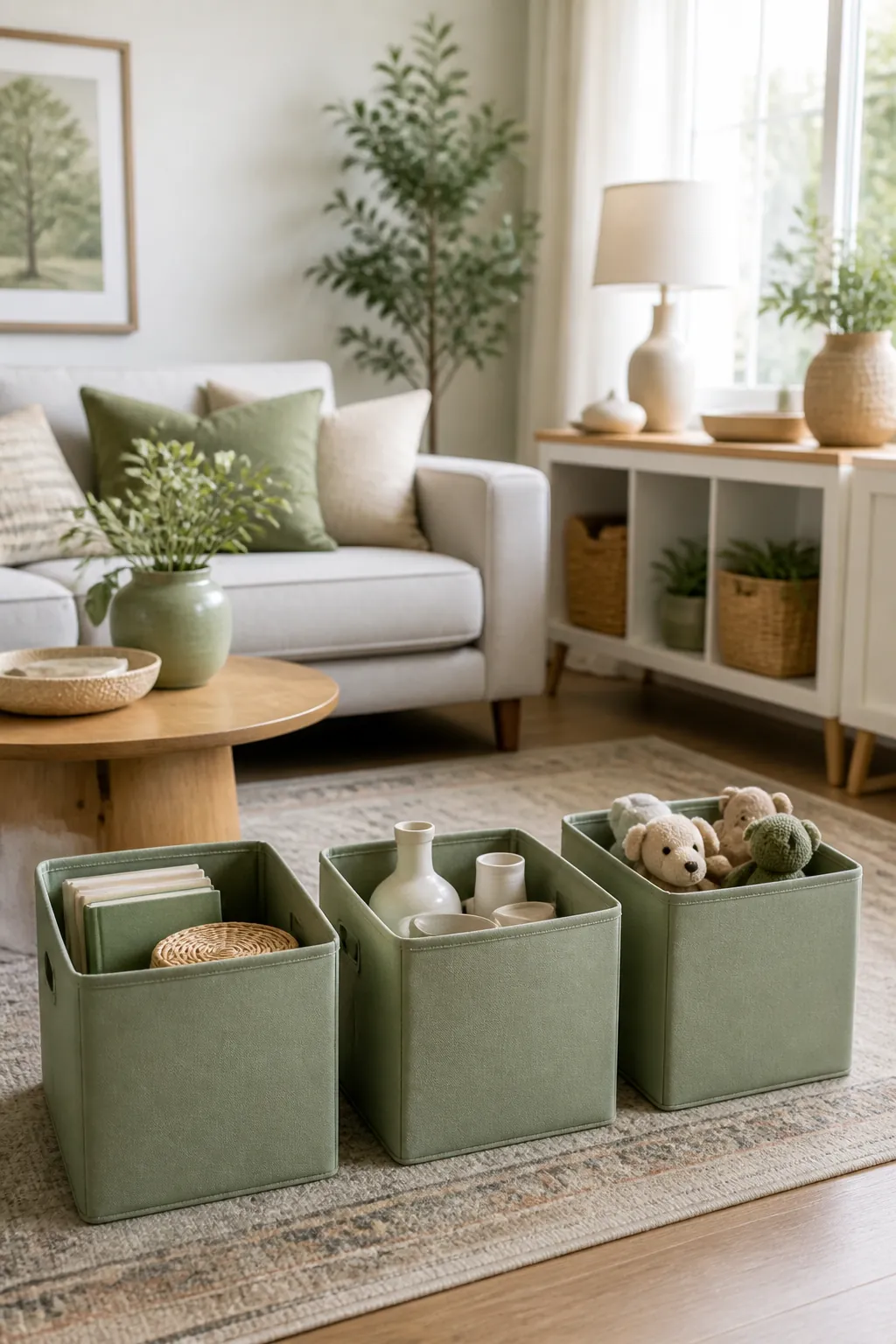
In most living rooms, exactly three spots catch everything: the coffee table, the console top, and the arm of the sofa or the floor beside it. If any one of those already has more than four or five objects sitting on it that are not meant to live there permanently, it is overdue.
Pull everything off those three spots at once and sort into rough categories: remotes and chargers, kids’ items, blankets and throws, paperwork. A set of cube storage bins works well here specifically because sorting comes before deciding; dump each category into its own bin first, and only then go bin by bin deciding what is actually worth keeping a permanent home for. Sorting before deciding is faster than deciding item by item from one giant pile, because your brain is only holding one category at a time instead of all of them.
5. The kitchen: the one-drawer rule
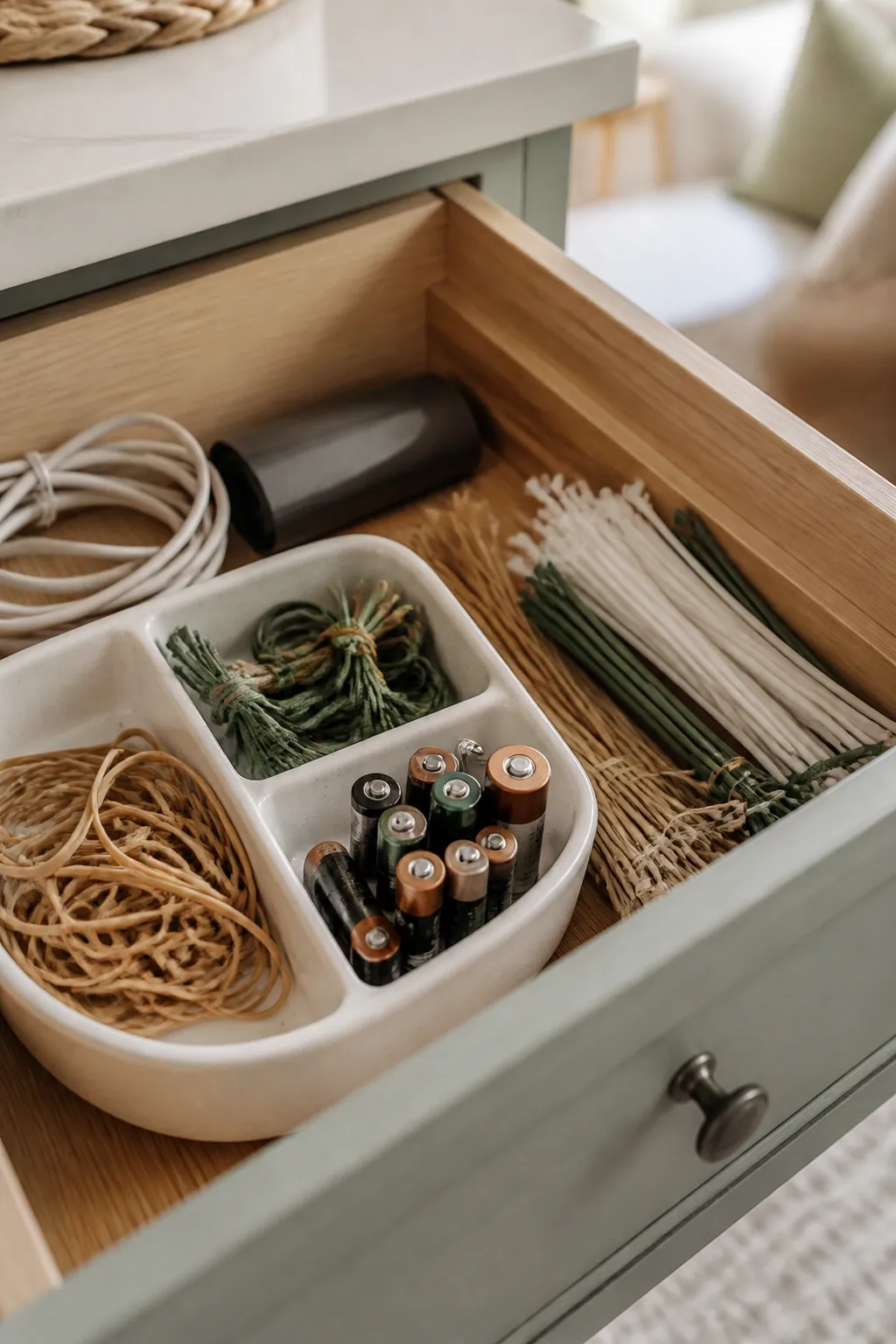
Every kitchen ends up with a drawer for loose odds and ends: rubber bands, twist ties, random batteries, a spare key. That is fine, as long as it stays exactly one drawer.
If the junk drawer no longer closes flush, or a second drawer has quietly become an overflow for the first, that is the signal to declutter, not to add a bin. Empty both completely, keep only what you have reached for in the last few months, and consolidate back into the one drawer; junk drawer organization ideas that actually last covers how to divide what is left so it stays down to one drawer. While you are in there, pull three random items from the pantry and check the dates; expired spices and half-used condiments are an easy, guilt-free win that frees real shelf space without touching anything you actually cook with.
6. The closet: run the hanger-flip test

Flip every hanger in the closet so the hook faces the back wall. For the next 60 to 90 days, whenever you wear something and hang it back up, flip that hanger to face forward normally. After three months, anything still facing backward has not been worn in a season, and it goes in the donate pile without further debate.
This matters more in a small apartment because a closet rod only comfortably holds about one hanger per inch of rail length before clothes start compressing into a solid wall nobody wants to dig through. A rod stuffed well past that density is the actual reason a full closet still produces “I have nothing to wear” on a regular Tuesday; everything is there, but nothing is visible or reachable without effort. Once the backward hangers are gone, small closet organization ideas that add real usable space covers how to get what is left down to a density you can actually see into.
7. The bedroom: just the nightstand and the dresser top
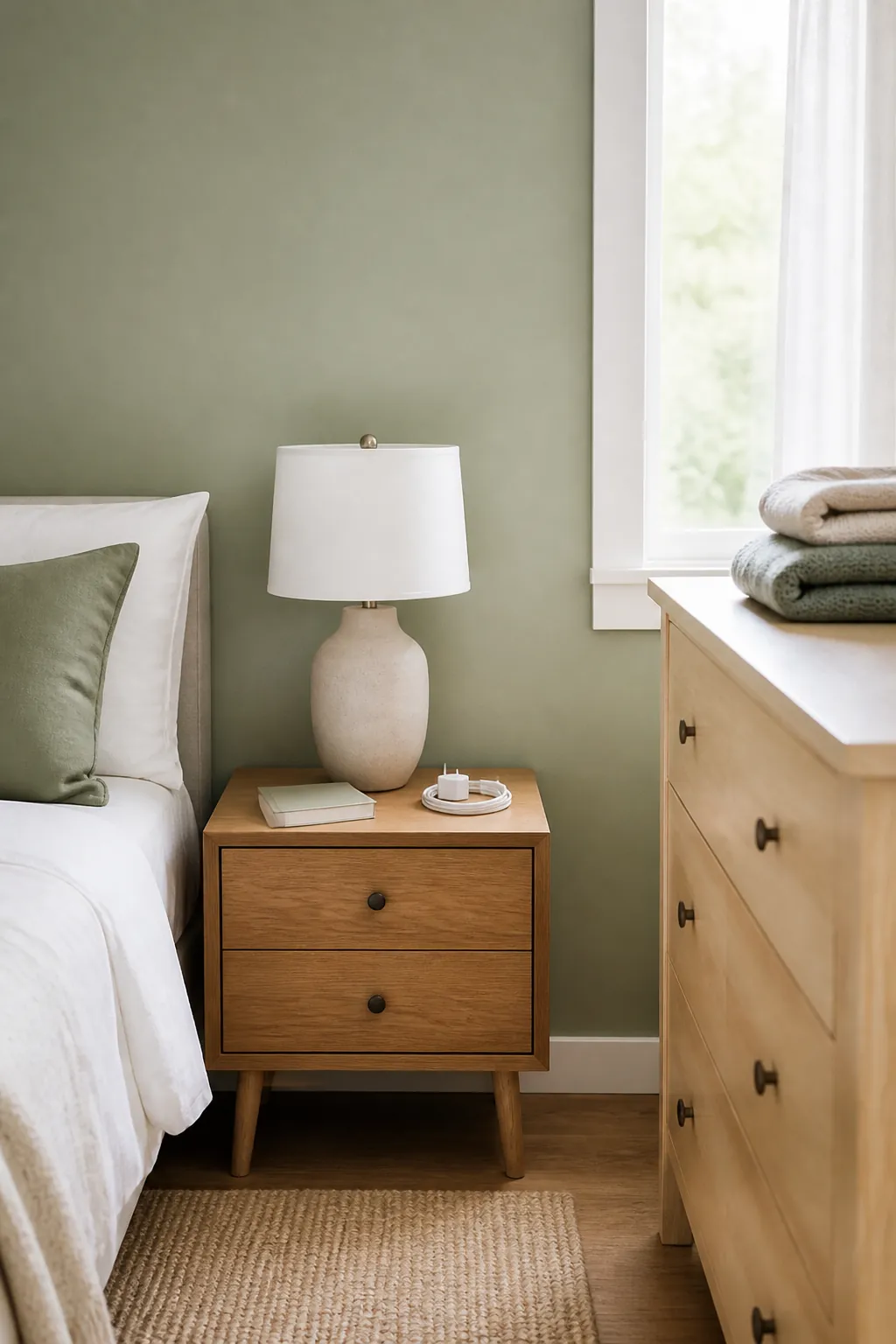
Skip the whole bedroom in one go. Limit this pass to two small, high-traffic surfaces: the nightstand and the top of the dresser.
A nightstand only needs what you touch most nights: a lamp, a book, a glass, a charger. Everything else, old receipts, loose jewelry, a phone case you stopped using, migrates there because it is close to the bed, not because it belongs. The dresser top collects the same way with clothes that did not quite make it into a drawer. Clear both down to what you actually use daily, and put the rest away, donate it, or trash it before moving on; the closet and under-bed storage are separate 25-minute sessions of their own.
8. The bathroom cabinet: expired products add up fast
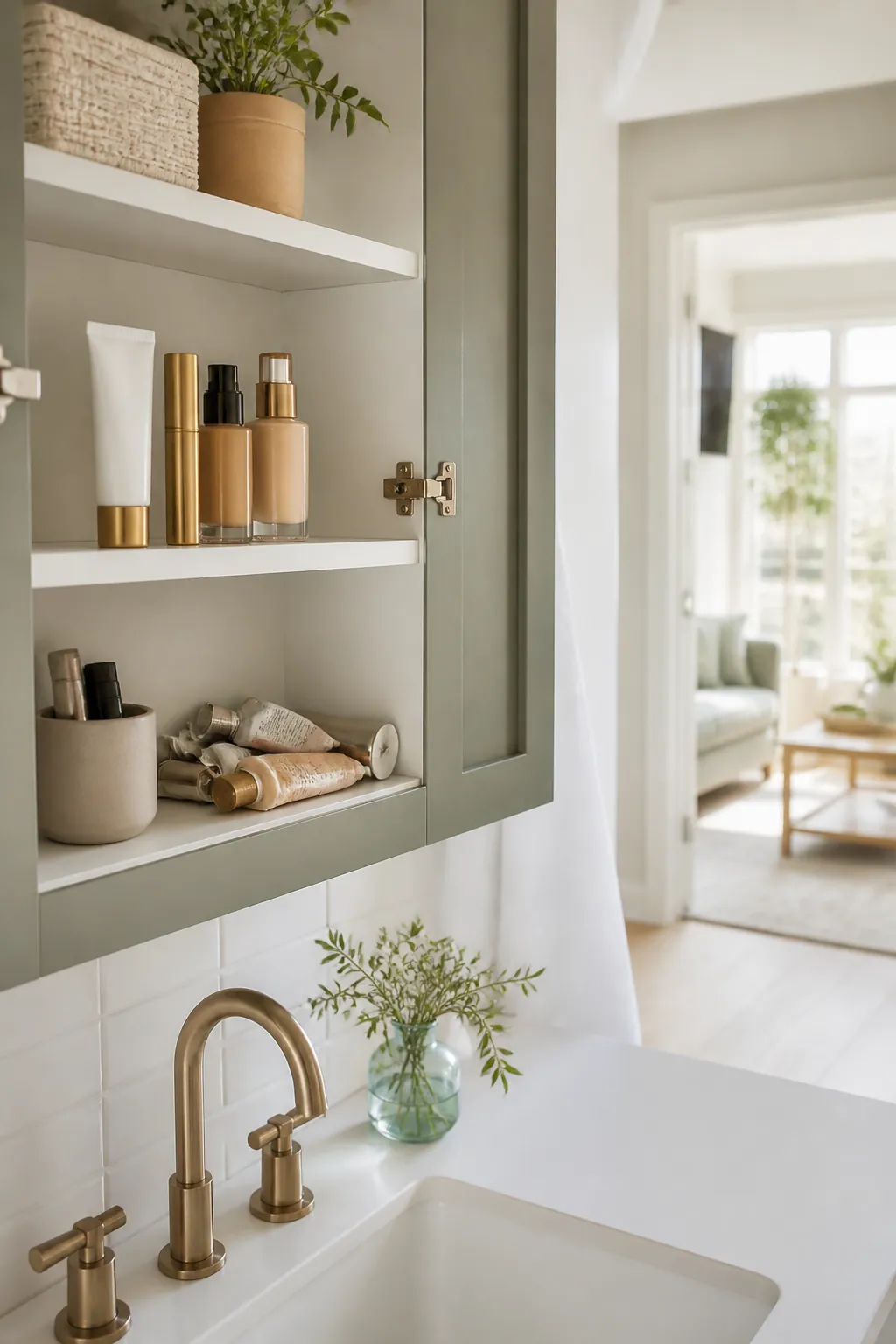
Bathroom cabinets accumulate faster than almost any other storage in the apartment, because nobody checks expiration dates on cosmetics and medicine the way they do on food. Open sunscreen loses its SPF rating within six to twelve months of first use, mascara is good for about three months after opening, and liquid foundation starts separating past the twelve-month mark even if it still looks fine.
Pull everything out, check dates, and discard anything expired. Expired prescription medication should go through a pharmacy take-back program rather than straight in the trash. Once the expired layer is gone, most small bathroom cabinets have noticeably more room than they appeared to, which is usually enough space on its own without buying a single new organizer; bathroom cabinet organization ideas for a small vanity covers what to do with that reclaimed space.
9. The donate box: label it, date it, or it becomes storage
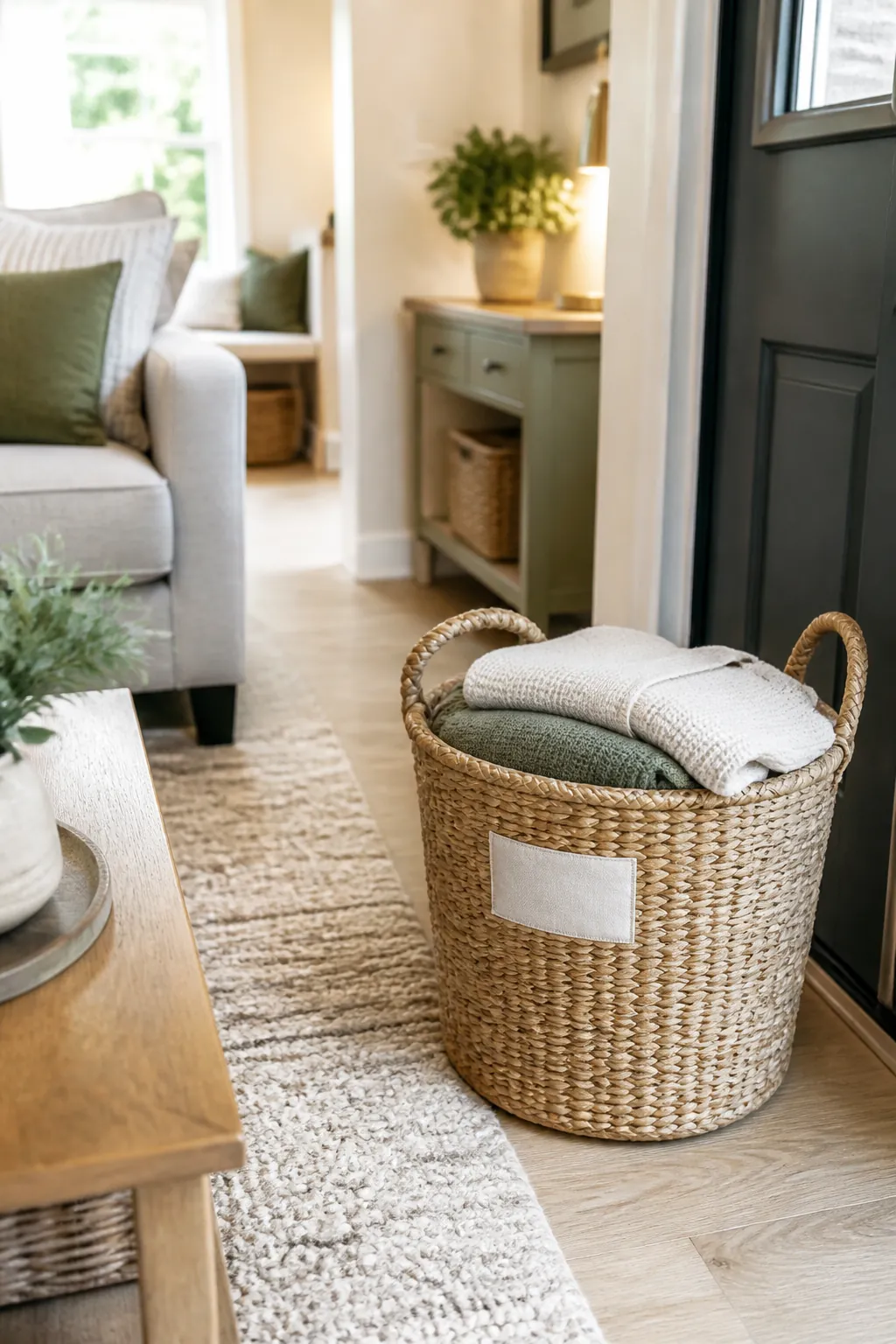
A box of donations sitting in a corner is not progress, it is clutter with a different label, and in a small apartment it takes up exactly as much floor space as the stuff you just removed.
Keep a large woven storage basket by the door specifically for donations as you go room by room, so items leave their original spot immediately instead of waiting for a separate sorting session. Use a label maker to print a tag reading “Donate, out by” with a specific date about a week out, stuck right on the basket where you will see it every time you walk past.
A hard date matters more than the basket. A donate pile with no deadline turns back into storage within a month, and once that happens the stuff inside is harder to let go of a second time than it was the first.
Where to start
Pick the entryway or the bathroom cabinet, set a 25-minute timer, and do only that room today. Momentum from one finished, visibly emptier room is worth more than a half-finished weekend that leaves every room looking worse before it looks better.
Keep the donate basket by the door with a leave-by date on it, work through the rest of the rooms in order over the following week, and finish with the weekly reset so the apartment does not quietly fill back up the moment the checklist is done.